Weekly AI Digest
Master the AI Revolution
Exclusive prompts, model comparisons & creative techniques — curated weekly for creators and professionals who stay ahead.
No spam. Unsubscribe anytime.
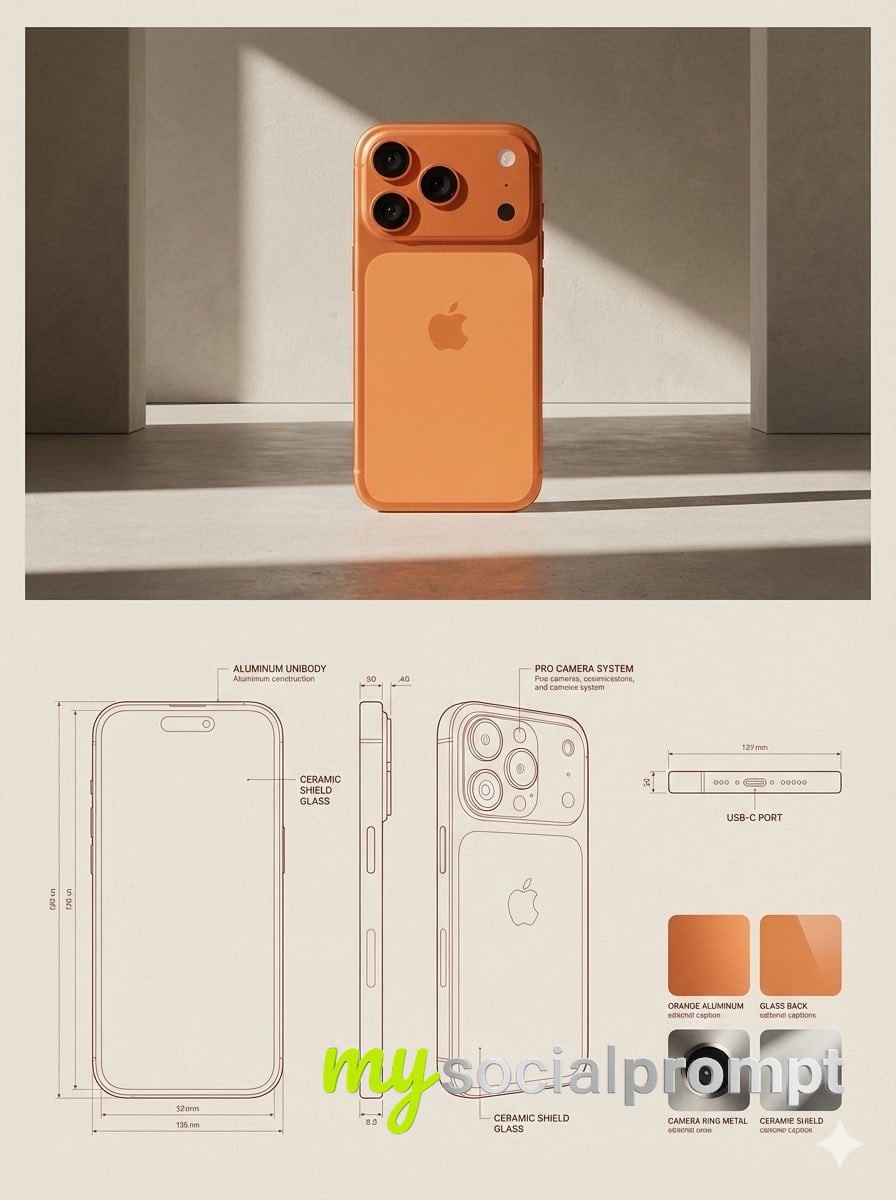
{
  "reference_images": {
    "product_image": "UPLOADED_IMAGE",
    "usage_rule": "Use the uploaded image as the exact visual reference for the product’s form, proportions, materials, and overall identity. Do not redesign or reinterpret the product."
  },
  "layout": {
    "canvas": {
      "orientation": "vertical",
      "aspect_ratio": "3:4",
      "background": "warm neutral paper-like surface"
    },
    "structure": {
      "top_section": "lifestyle_hero",
      "bottom_section": "technical_specification"
    }
  },
  "top_section": {
    "type": "lifestyle_product_image",
    "composition": {
      "placement": "top_center",
      "scale": "dominant",
      "margin": "generous whitespace around product"
    },
    "environment": {
      "setting": "minimal architectural interior",
      "lighting": {
        "type": "natural sunlight",
        "direction": "angled side light",
        "quality": "soft but high-contrast shadows"
      },
      "floor": "subtle concrete or stone surface",
      "background": "textured plaster wall"
    },
    "rendering": {
      "style": "editorial lifestyle photography",
      "detail": "high realism",
      "color_grading": "warm, muted, premium"
    }
  },
  "bottom_section": {
    "type": "technical_specification_panel",
    "layout": {
      "grid": "modular",
      "alignment": "clean, architectural"
    },
    "technical_drawings": {
      "placement": "bottom_left_and_center",
      "style": "architectural line drawings",
      "views": [
        "front view",
        "side view",
        "three-quarter cutaway or profile view"
      ],
      "projection": "orthographic",
      "line_style": {
        "color": "muted red or sepia",
        "weight": "fine technical lines"
      },
      "annotations": {
        "type": "measurement and construction callouts",
        "language": "neutral technical labels",
        "density": "minimal, editorial"
      }
    },
    "materials_panel": {
      "placement": "bottom_right",
      "content": {
        "type": "material_swatches",
        "count": "3-4 depending on product",
        "format": "square or rectangular samples"
      },
      "textures": {
        "source": "derived from the product materials",
        "examples": [
          "fabric",
          "leather",
          "metal",
          "wood",
          "plastic"
        ]
      },
      "labels": {
        "style": "small editorial captions",
        "tone": "technical but refined"
      }
    }
  },
  "typography": {
    "style": "minimal editorial",
    "usage": "subtle captions, no large headlines",
    "color": "soft black or dark brown"
  },
  "overall_style": {
    "mood": "design catalog / product design journal",
    "aesthetic": "architectural, premium, calm",
    "avoid": [
      "clutter",
      "bold colors",
      "heavy branding",
      "overly decorative graphics"
    ]
  },
  "constraints": {
    "do_not": [
      "change product design",
      "invent new materials",
      "add logos unless present in reference",
      "use perspective distortion in drawings"
    ]
  }
} 1/4
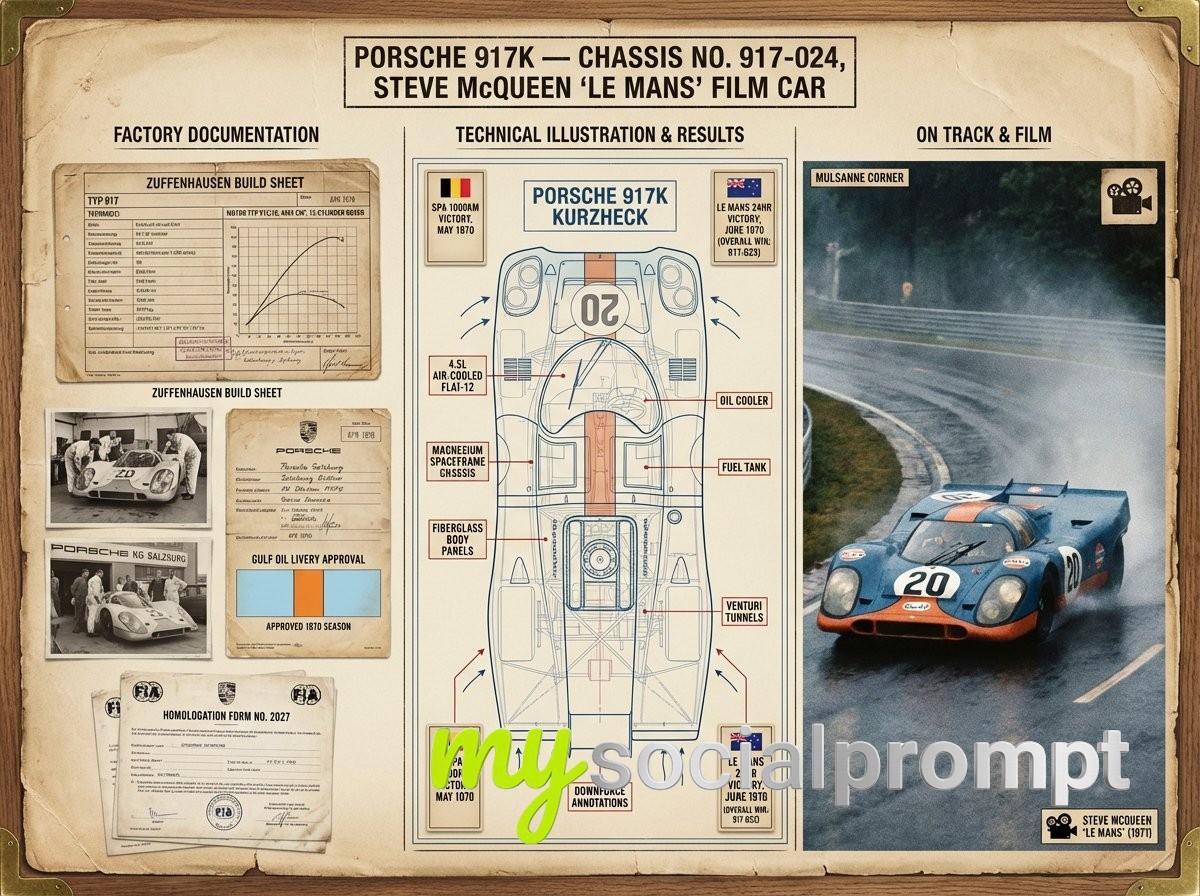
1/4A marque historian's documentation board for [VEHICLE] — [MODEL / VARIANT / YEAR]. Left section: factory documentation including original specification sheet, production line photographs, period advertising, and chassis number registry. Center section: technical illustration showing powertrain in phantom view, suspension geometry, aerodynamic annotations, and material callouts, surrounded by period racing results or ownership provenance. Right section: the vehicle in its defining environment, whether racing circuit, mountain pass, or boulevard, captured with period-appropriate color grading and motion. Visual style transitions from archival document cream through engineering-drawing precision to saturated automotive photography. Title block reading "[VEHICLE NAME] — CHASSIS NO. [NUMBER], [PROVENANCE SUMMARY]".
 1/3
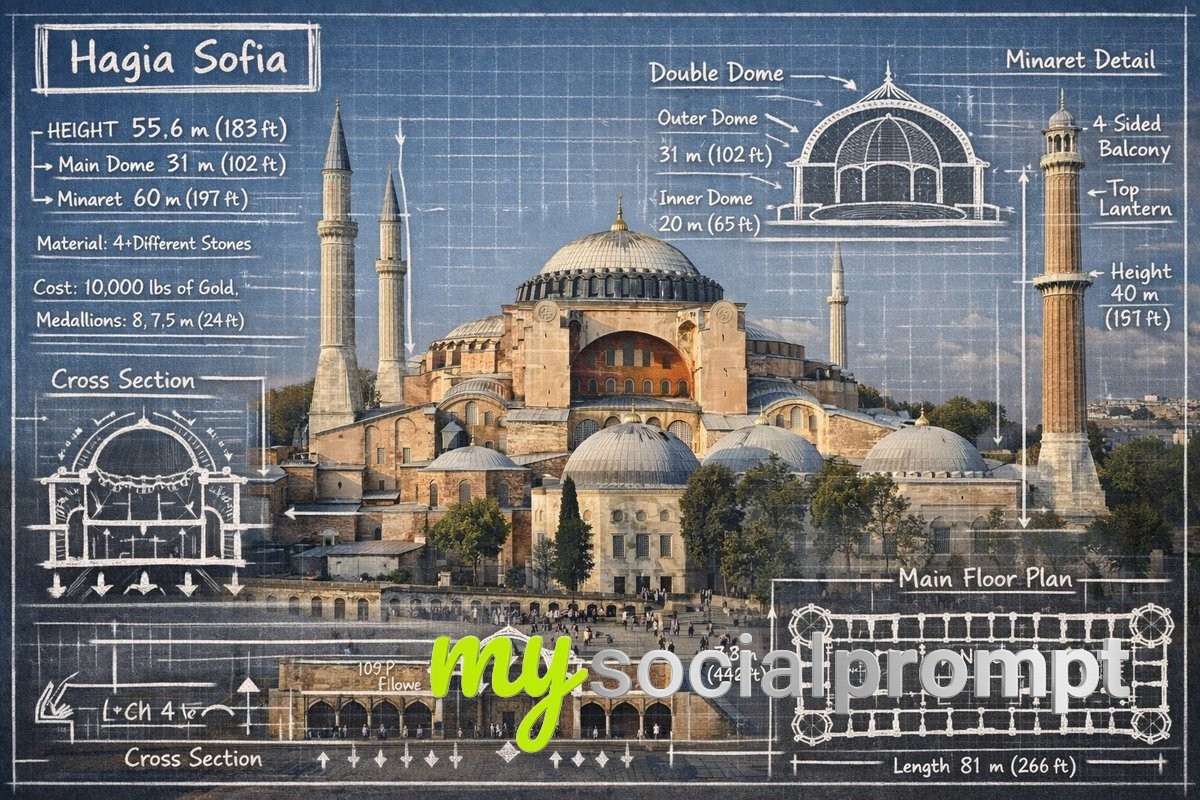
1/3Create an infographic image of [LANDMARK], combining a real photograph of the landmark with blueprint-style technical annotations and diagrams overlaid on the image. Include the title “[LANDMARK]” in a hand-drawn box in the corner. Add white chalk-style sketches showing key structural data, important measurements, material quantities, internal diagrams, load-flow arrows, cross-sections, floor plans, and notable architectural or engineering features. Style: blueprint aesthetic with white line drawings on the photograph, technical/architectural annotation style, educational infographic feel, with the real environment visible behind the annotations.
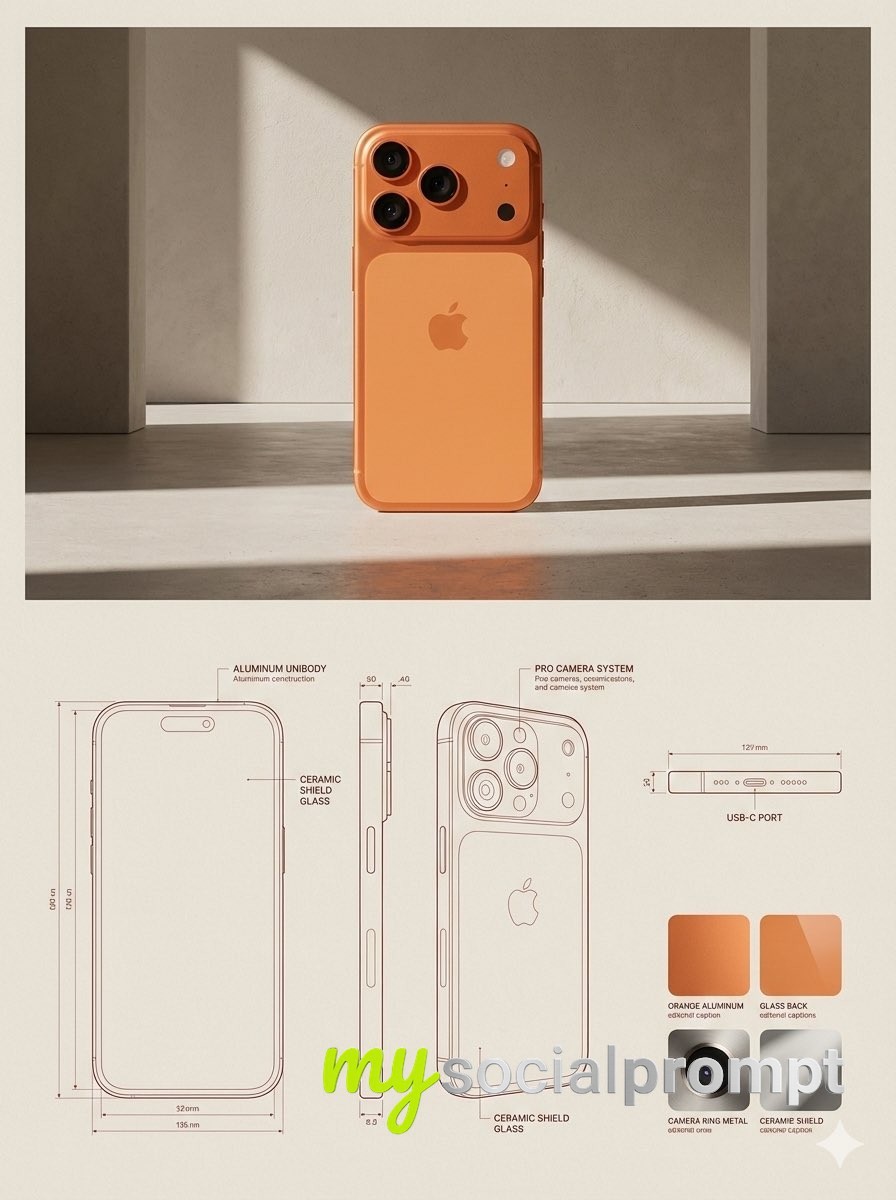
{
  "reference_images": {
    "product_image": "UPLOADED_IMAGE",
    "usage_rule": "Use the uploaded image as the exact visual reference for the product’s form, proportions, materials, and overall identity. Do not redesign or reinterpret the product."
  },
  "layout": {
    "canvas": {
      "orientation": "vertical",
      "aspect_ratio": "3:4",
      "background": "warm neutral paper-like surface"
    },
    "structure": {
      "top_section": "lifestyle_hero",
      "bottom_section": "technical_specification"
    }
  },
  "top_section": {
    "type": "lifestyle_product_image",
    "composition": {
      "placement": "top_center",
      "scale": "dominant",
      "margin": "generous whitespace around product"
    },
    "environment": {
      "setting": "minimal architectural interior",
      "lighting": {
        "type": "natural sunlight",
        "direction": "angled side light",
        "quality": "soft but high-contrast shadows"
      },
      "floor": "subtle concrete or stone surface",
      "background": "textured plaster wall"
    },
    "rendering": {
      "style": "editorial lifestyle photography",
      "detail": "high realism",
      "color_grading": "warm, muted, premium"
    }
  },
  "bottom_section": {
    "type": "technical_specification_panel",
    "layout": {
      "grid": "modular",
      "alignment": "clean, architectural"
    },
    "technical_drawings": {
      "placement": "bottom_left_and_center",
      "style": "architectural line drawings",
      "views": [
        "front view",
        "side view",
        "three-quarter cutaway or profile view"
      ],
      "projection": "orthographic",
      "line_style": {
        "color": "muted red or sepia",
        "weight": "fine technical lines"
      },
      "annotations": {
        "type": "measurement and construction callouts",
        "language": "neutral technical labels",
        "density": "minimal, editorial"
      }
    },
    "materials_panel": {
      "placement": "bottom_right",
      "content": {
        "type": "material_swatches",
        "count": "3-4 depending on product",
        "format": "square or rectangular samples"
      },
      "textures": {
        "source": "derived from the product materials",
        "examples": [
          "fabric",
          "leather",
          "metal",
          "wood",
          "plastic"
        ]
      },
      "labels": {
        "style": "small editorial captions",
        "tone": "technical but refined"
      }
    }
  },
  "typography": {
    "style": "minimal editorial",
    "usage": "subtle captions, no large headlines",
    "color": "soft black or dark brown"
  },
  "overall_style": {
    "mood": "design catalog / product design journal",
    "aesthetic": "architectural, premium, calm",
    "avoid": [
      "clutter",
      "bold colors",
      "heavy branding",
      "overly decorative graphics"
    ]
  },
  "constraints": {
    "do_not": [
      "change product design",
      "invent new materials",
      "add logos unless present in reference",
      "use perspective distortion in drawings"
    ]
  }
} 1/2
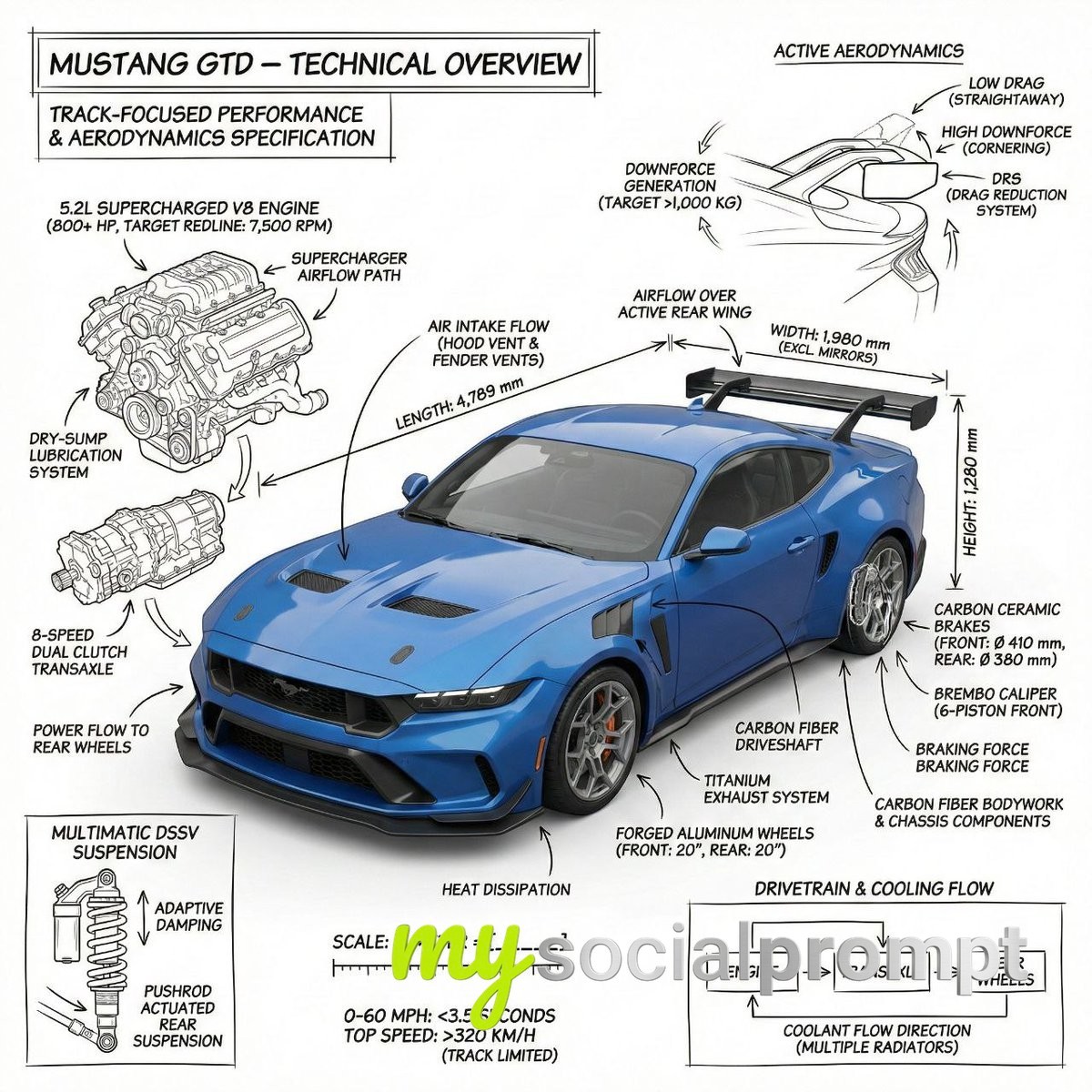
1/2Mustang GTD & Bugatti Built with Google Nano Banana Pro PROMPT 1 - Create an infographic image of Mustang GTD combining a realistic photograph or photorealistic render of the object with technical annotation overlays placed directly on top.Use black ink–style line drawings and text (blue Mustang GTD ) on a pure white studio background.Include:•Key component labels•Internal cutaway or exploded-view outlines (where relevant)•Measurements, dimensions, and scale markers•Material callouts and quantities•Arrows indicating function, force, or flow (all the functions that comes with bugatti Chiron)•Simple schematic or sectional diagrams where applicablePlace the title Mustang GTD inside a real technical annotation box in one corner.Style & layout rules:•The real object remains clearly visible beneath the annotations(no annotation on the real object)•Annotations look hand-sketched, technical, and architectural•Clean composition with balanced negative space•Educational, museum-exhibit / engineering-manual vibeVisual style:Minimal technical illustration aesthetic.Black linework layered over realistic imagery.Precise but slightly hand-drawn feel.Color palette:Pure white background.Black annotation lines and text only.No colors.Output:1080 × 1080 resolutionUltra-crispSocial-feed optimizedNo watermarkPROMPT 2 - Create an infographic image of bugatti, combining a realistic photograph or photorealistic render of the object with technical annotation overlays placed directly on top.Use black ink–style line drawings and text (copper color bugatti ) on a pure white studio background.Include:•Key component labels•Internal cutaway or exploded-view outlines (where relevant)•Measurements, dimensions, and scale markers•Material callouts and quantities•Arrows indicating function, force, or flow (all the functions that comes with bugatti Chiron)•Simple schematic or sectional diagrams where applicablePlace the title bugatti inside a real technical annotation box in one corner.Style & layout rules:•The real object remains clearly visible beneath the annotations(no annotation on the real object)•Annotations look hand-sketched, technical, and architectural•Clean composition with balanced negative space•Educational, museum-exhibit / engineering-manual vibeVisual style:Minimal technical illustration aesthetic.Black linework layered over realistic imagery.Precise but slightly hand-drawn feel.Color palette:Pure white background.Black annotation lines and text only.No colors.Output:1080 × 1080 resolutionUltra-crispSocial-feed optimizedNo watermark 1/4
1/4Create an infographic image of Nike Air Jordan 1 High OG sneaker, combining a realistic photograph or photoreal render of the object with technical annotation overlays placed directly on top. Use black ink–style line drawings and text (technical pen / engineering diagram aesthetic) for all annotations. Include precise arrows pointing to specific parts, detailed labels naming each component (toe box, swoosh logo, wings logo, collar, tongue, lace holes, midsole, outsole, heel counter, perforations, stitching patterns), materials used (premium leather, rubber outsole, foam cushioning), and historical notes (designed by Peter Moore, 1985, banned by NBA). Show both side profile and slight 3/4 angle. Background should be clean white or very light neutral. Overall style: a hybrid of product photography and vintage technical manual illustration. High resolution, ultra-detailed, 4K quality.![nanobanana prompt: Architectural Blueprint Infographic of [LANDMARK]](/uploads/b3262e7bad20_tmpg9_j3vhn.jpg) 1/4
1/4Create an infographic image of [LANDMARK], combining a real photograph of the landmark with blueprint-style technical annotations and diagrams overlaid on the image. Include the title “[LANDMARK]” in a hand-drawn box in the corner. Add white chalk-style sketches showing key structural data, important measurements, material quantities, internal diagrams, load-flow arrows, cross-sections, floor plans, and notable architectural or engineering features. Style: blueprint aesthetic with white line drawings on the photograph, technical/architectural annotation style, educational infographic feel, with the real environment visible behind the annotations.
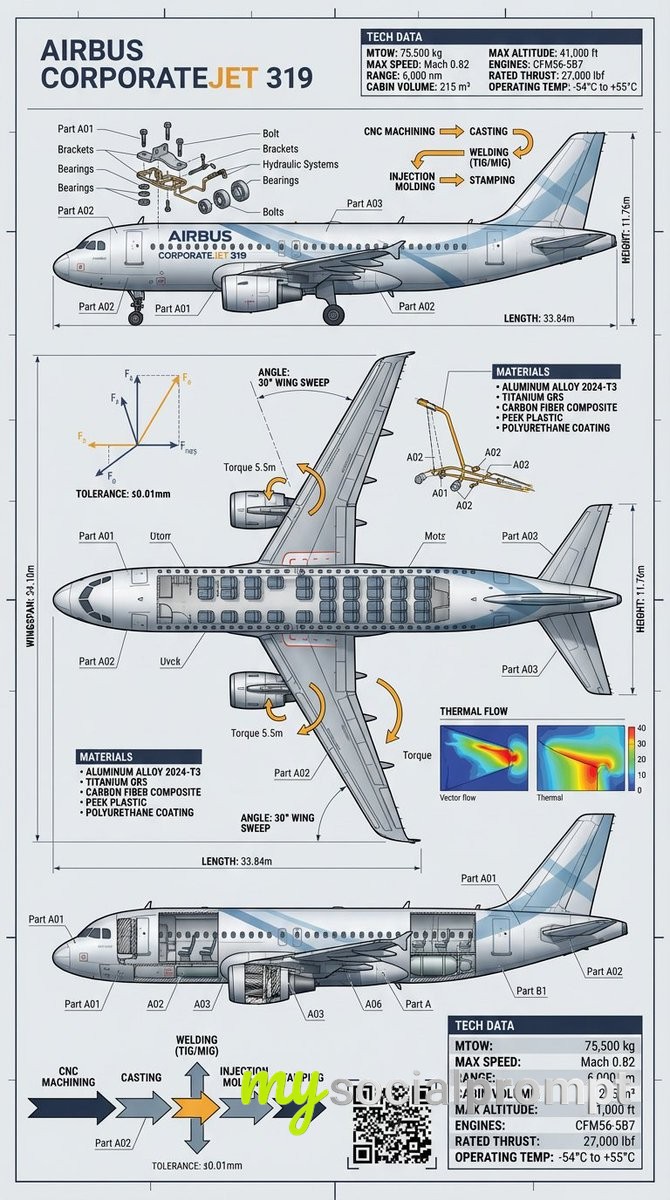
Industrial engineering-style infographic of an object (match exactly the object from the uploaded photo reference).Ultra-precise technical rendering of the object placed at the center, with accurate proportions, textures, materials, and surface details identical to the reference photo.Surround the object with industrial–grade technical elements:• Blueprint-inspired dimension lines (length, width, height, radius, angle, tolerances).• Cross-section cutaway view revealing internal components with engineering hatching patterns.• Exploded-view assembly diagram showing bolts, brackets, joints, wiring, bearings, or internal mechanisms.• Material specification blocks (steel type, plastics, alloys, coatings, finishes).• Process flow arrows describing manufacturing steps (CNC, casting, welding, injection, stamping).• Load & stress indicator graphics with arrows, vector force diagrams, thermal flow, or torque direction.• Part numbering following industrial annotation style (Part A01, A02, etc).• Tech data panels like: weight, volume, tolerances, rated load, pressure, RPM, operating temperature.• QR-style data block or barcode element for extra industrial feel.Design style:• clean, structured, engineering-oriented layout• color palette of steel grey, dark navy, orange/yellow safety accents• background like a technical drafting sheet or industrial metal texture (subtle, not distracting)• sharp sans-serif typeface using actual engineering annotation style• shadows minimal, prioritizing clarity and precisionOverall vibe: serius, presisi, manufaktur-grade, seperti poster teknik pabrik atau katalog industrial tooling.Aspect Ratio: 9:16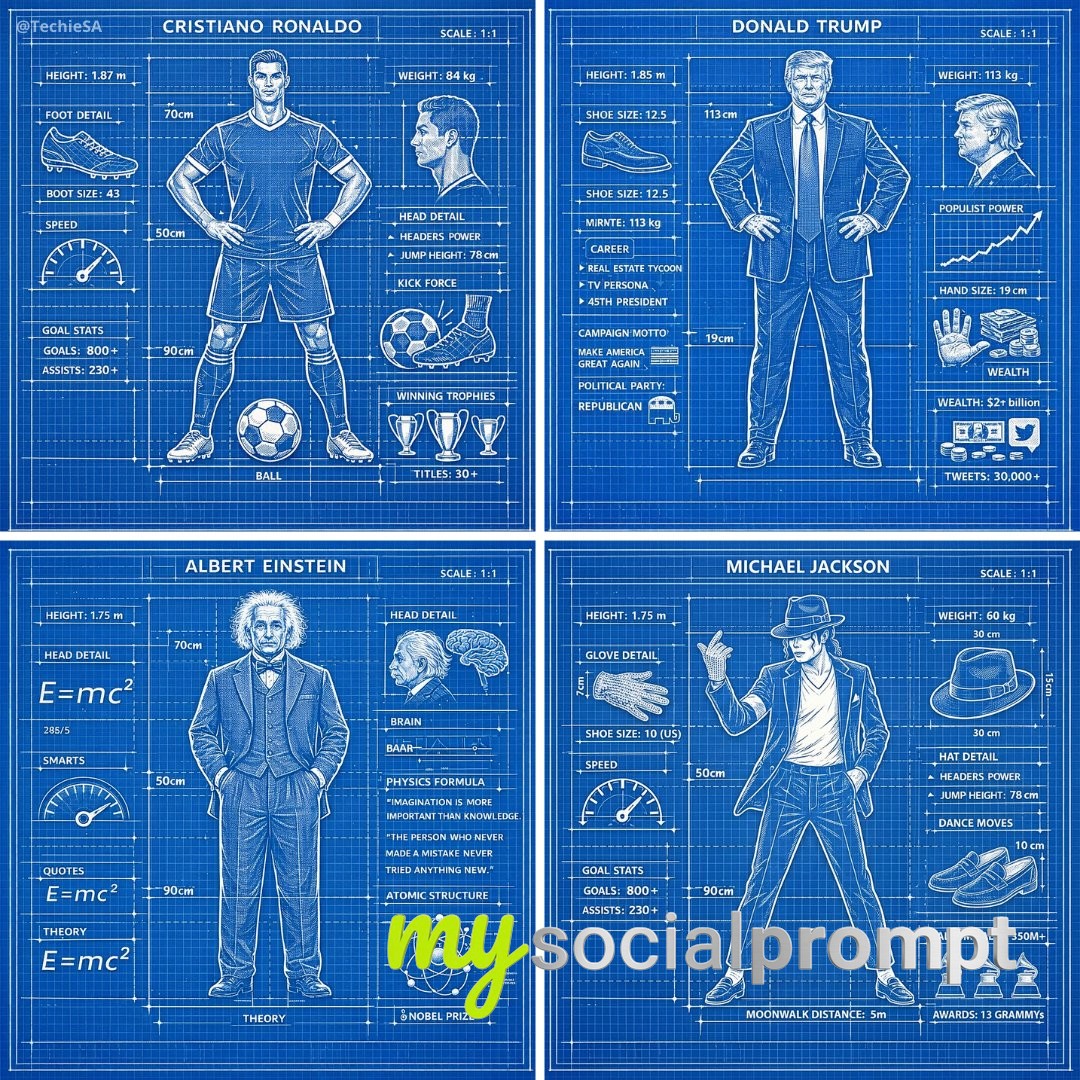
A detailed technical blueprint illustration of [CHARACTER], drawn in blueprint style on a blue grid background with precise white linework. Includes subtle measurement markings, labels, and schematic-style annotations around the figure. The design is clean, symmetrical, and centered, giving it the look of a professional engineering drawing.
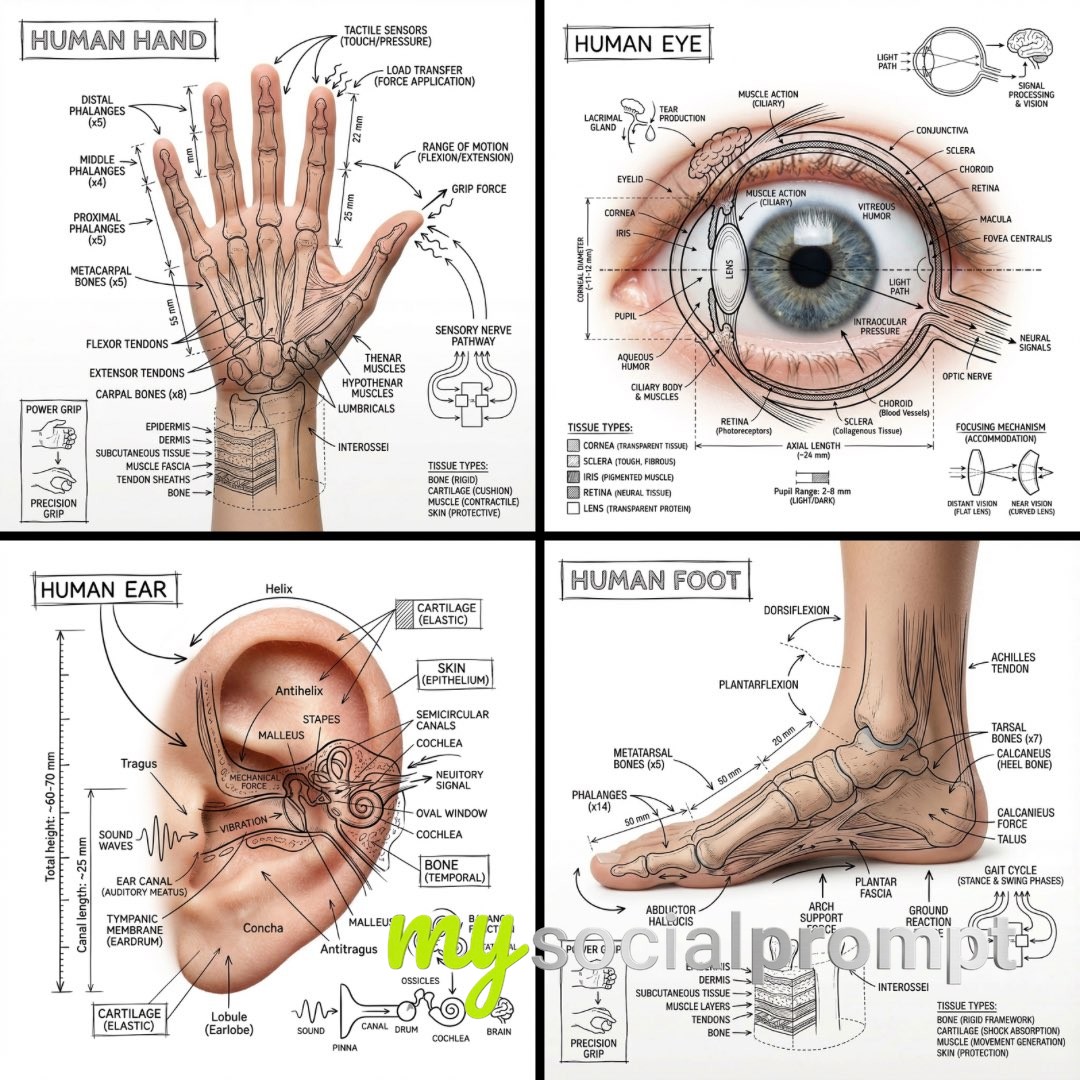
Create an infographic image of [BODY PART], combining a realistic photograph or photoreal render of the object with technical annotation overlays placed directly on top.Use black ink–style line drawings and text (technical pen / architectural sketch look) on a pure white studio background, including:•Key component labels•Internal cutaway or exploded-view outlines•Measurements, dimensions, and scale markers•Material callouts and quantities•Arrows indicating function, force, or flow (air, sound, power, pressure)•Simple schematic or sectional diagrams where relevantPlace the title [BODY PART] inside a hand-drawn technical annotation box in one corner.Style & layout rules:•The real object remains clearly visible beneath the annotations•Annotations feel sketched, technical, and architectural•Clean composition with balanced negative space•Educational, museum-exhibit / engineering-manual vibeVisual style:Minimal technical illustration aesthetic, black linework over realistic imagery, precise but slightly hand-drawn feel.Color palette:White background, black annotation lines and text only. No colors.Output:1080×1080, ultra-crisp, social-feed optimized, no watermark.