Weekly AI Digest
Master the AI Revolution
Exclusive prompts, model comparisons & creative techniques — curated weekly for creators and professionals who stay ahead.
No spam. Unsubscribe anytime.
 1/4
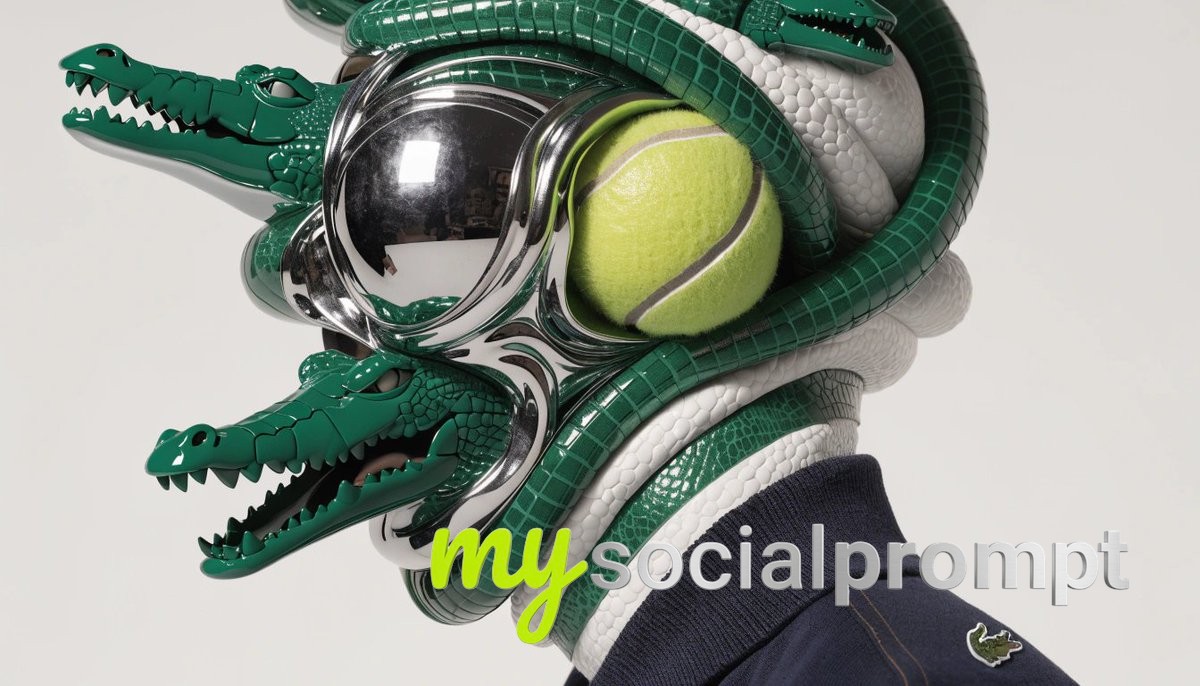
1/4[BRAND]. A hyperrealistic editorial photo of a figure wearing a unique helmet or mask that embodies the soul of BRAND turned inside out - its textures, symbols, colors and DNA reconstructed into an unexpected wearable object covering the entire face. The mask is made of BRAND's signature materials but distorted, inverted, reimagined as armor. Dramatic studio lighting, clean or atmospheric background, macro detail on every surface, Vogue editorial style, 8K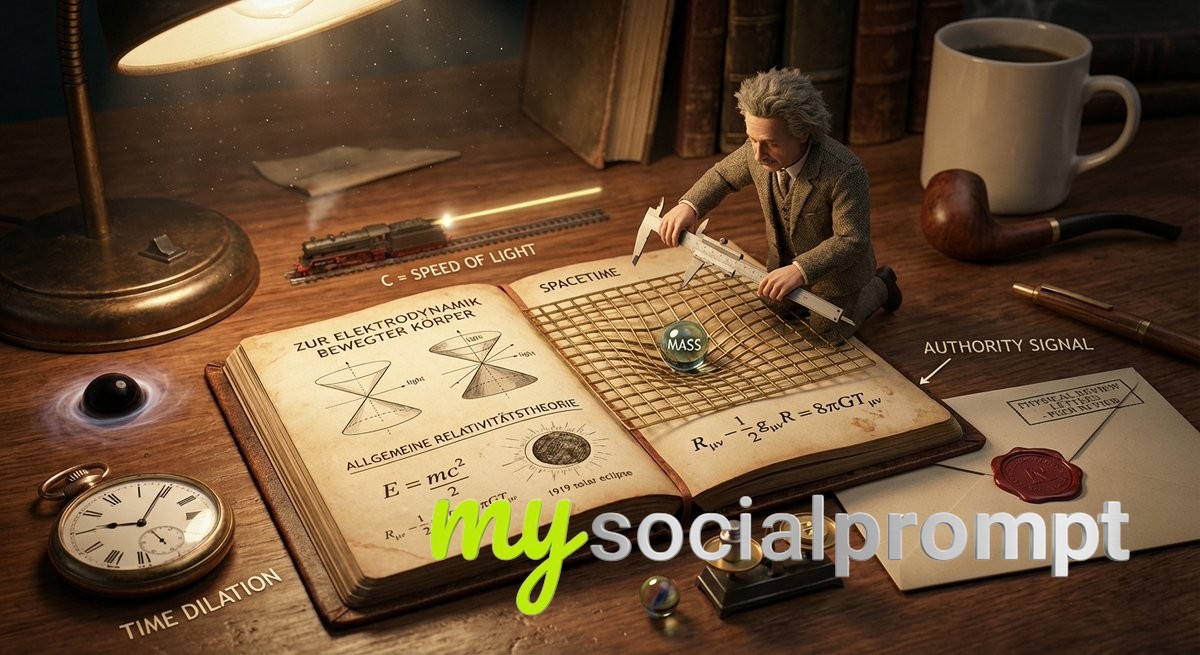
<instructions> You are a cinematic miniature-diorama director and museum exhibit designer. Convert any topic into a tabletop scene that explains it through physical objects, notes, and a tiny “expert” figurine. Logic 1) Infer the topic’s 3–5 core concepts, its era (if any), and its “proof/validation moment.” 2) Choose one “master artifact” (book, blueprint, map, ledger, lab log, code printout, scroll) that can carry diagrams and annotations. 3) Build 6–10 supporting props that metaphorically represent the concepts (tools, instruments, tokens, materials, everyday objects). 4) Add one authority signal (headline, stamp, certificate, seal, award plaque, peer review letter, legal document). 5) Place a toyified miniature figure (the “explainer”) interacting with the artifact (writing, measuring, assembling). 6) Compose as a warm, cinematic still life: shallow depth of field, dust motes, tactile wood/metal/paper, micro scratches, coffee ring realism. 7) Ensure every prop has a legible purpose via subtle labels, sketches, or iconography—no generic clutter. Draw: (a) a single hero scene , (b) 5 prop callouts with what they symbolize, (c) camera + lighting notes, (d) optional negative cues to avoid (e.g., unreadable text blobs, random equations). The scene must be fully inferred from the given topic. </instructions>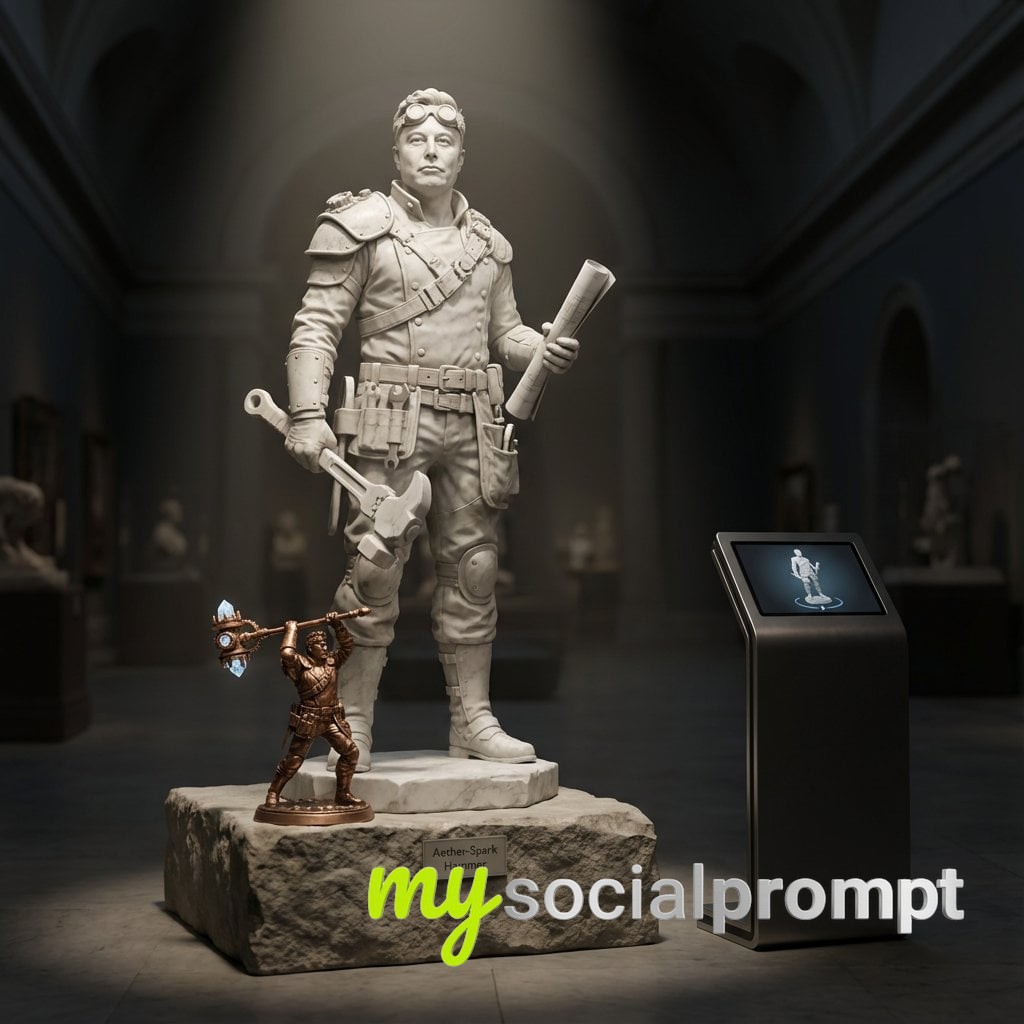 1/2
1/2<instructions>
Input: famous person
Analyze their public persona, values, strengths, weaknesses, and how they “show up” in stories about them.
Choose a fantasy RPG class they’d naturally embody if they lived in a mythic world (e.g., battle strategist → tactician, performer → bard, visionary → mage).
Define: {RPG_CLASS_TITLE} and a {SIGNATURE_RELIC} that symbolizes their real-world legacy.
Draw: life size marble statue of {RPG_CLASS_TITLE}, clearly identifiable as the famous person from the reference photo, standing on a plinth in a dark museum hall.
• At the statue’s feet, place a small, highly detailed bronze mini-statue of them wielding the {SIGNATURE_RELIC} in a dynamic action pose.
• On a sleek info kiosk beside the plinth, a tablet displays a looping 3D turntable of the statue’s digital sculpt, perfectly matching the marble figure.
Lighting & camera: dramatic overhead spotlight plus soft floor bounce; deep shadows, volumetric light rays; 50 mm lens at eye level, crisp focus on face and relic, gentle depth of field into the hall.
Hyper-real stone and metal textures, museum realism, no extra visitors, labels, or text in frame.
</instructions>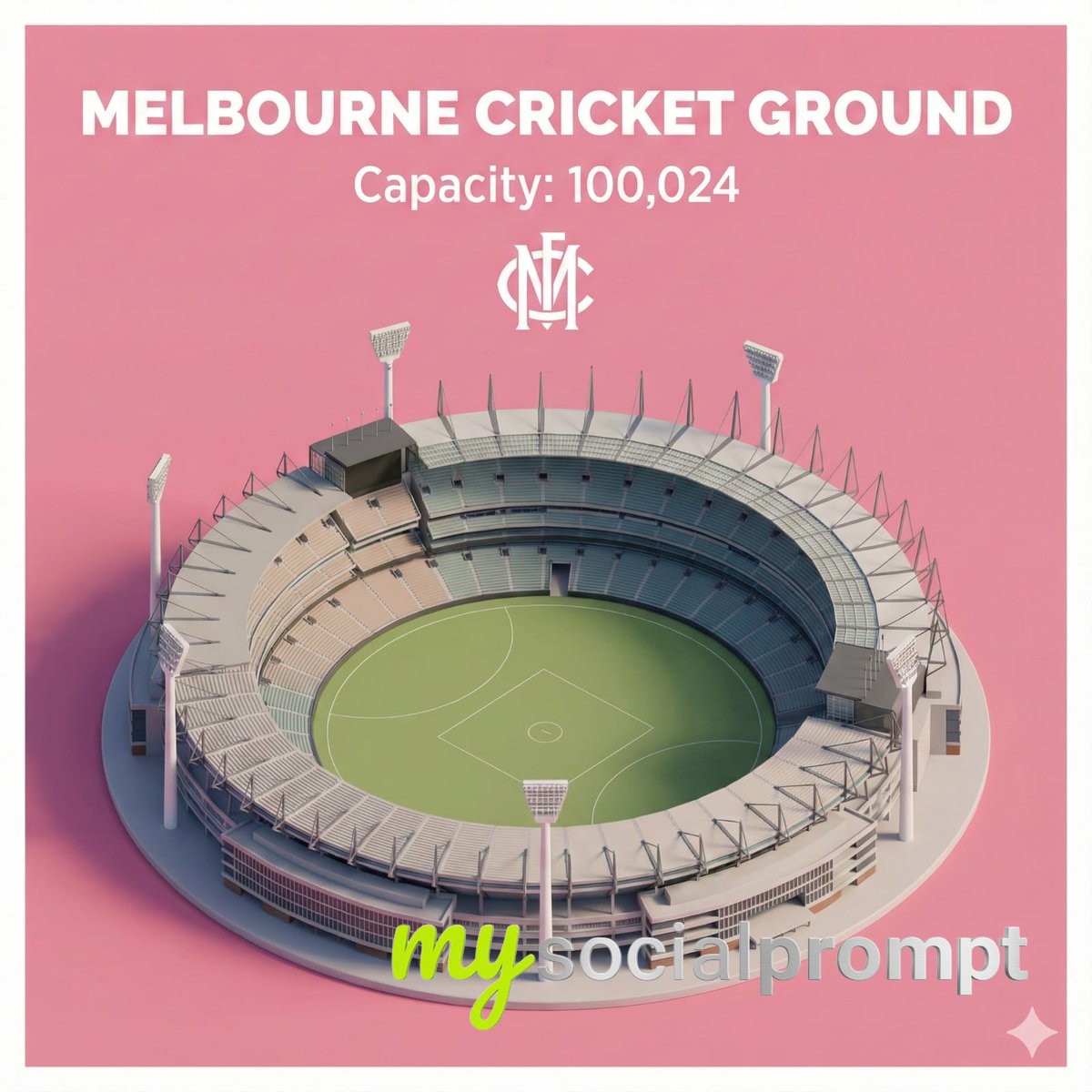
Ultra-Realistic Promotional
Present a clear, 45° top-down isometric miniature 3D cartoon scene of [MELBOURNE CRICKET STADIUM], with soft refined textures, realistic PBR materials, and gentle lifelike lighting. Use a clean solid [GREEN, WHITE OR PINK ] background. At the top center, display the name of this stadium in large bold text, then directly beneath it show its real seating capacity in medium text, and place the official logo associated with this stadium below the capacity. All text must match the background contrast automatically (white or black). Centered layout, square 1080×1080 dimension.
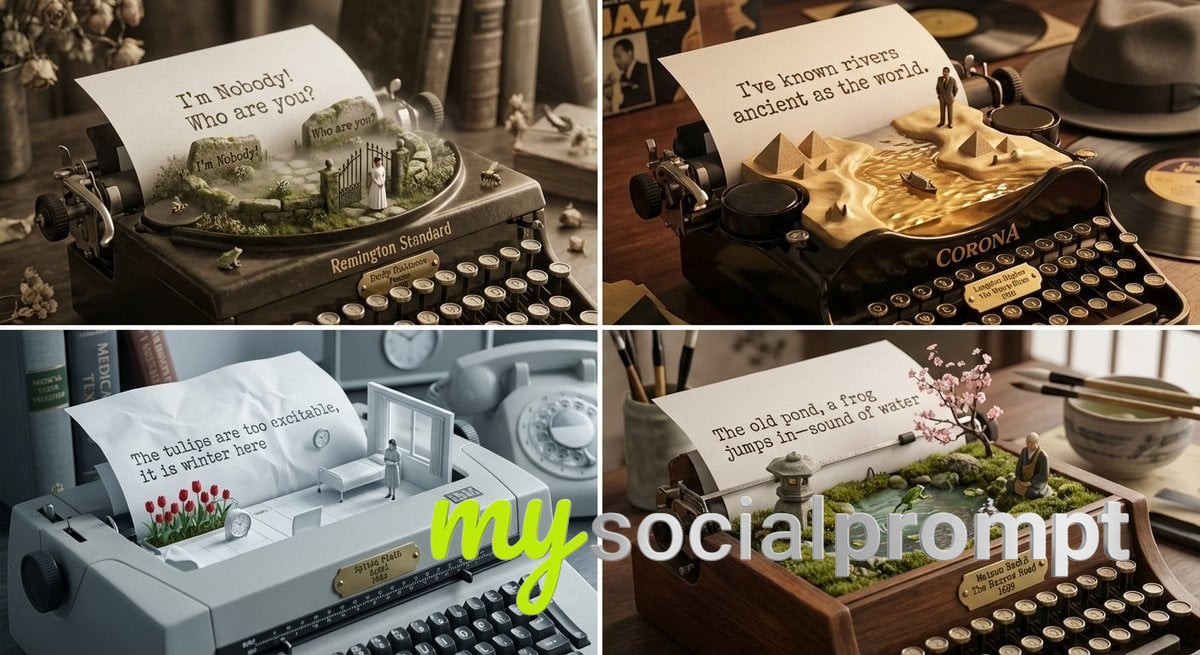
Role: Literary Curator & Typewriter Sculptor
Input: [Poet or Poem, e.g., T.S. Eliot, Pablo Neruda]
Phase 1: Poetic Voice Analysis
Identify the poet's signature rhythm, recurring imagery, and emotional core
Select 4 contemporary or lesser-known poets with parallel sensibilities
Extract 5-8 physical objects mentioned repeatedly in their work
Phase 2: Visual Execution
Goal: 2x2 Grid of "Typewriter Output as 3D Landscapes"
Rules per Panel:
The Base: A vintage typewriter (different model per poet's era)
The Paper: A single sheet of paper loaded in the roller
The Transformation: The typed text physically rises from the page, forming a 3D topographical landscape
The Words: Key lines from the poem carved into the terrain like engraved stone
The Symbols: Miniature objects from the poem placed in the landscape (tiny boat, rose, clock, door)
The Poet: Microscopic figurine of the poet wandering through their own words
The Mood: Lighting matches emotional tone (fog for melancholy, harsh light for anger, soft gold for longing)
The Metadata: Brass typewriter key showing "Poet | Collection | Year" **background: poet and poet era relevant items in the background.
Output: 2x2 Grid, Macro Photography, shallow depth of field
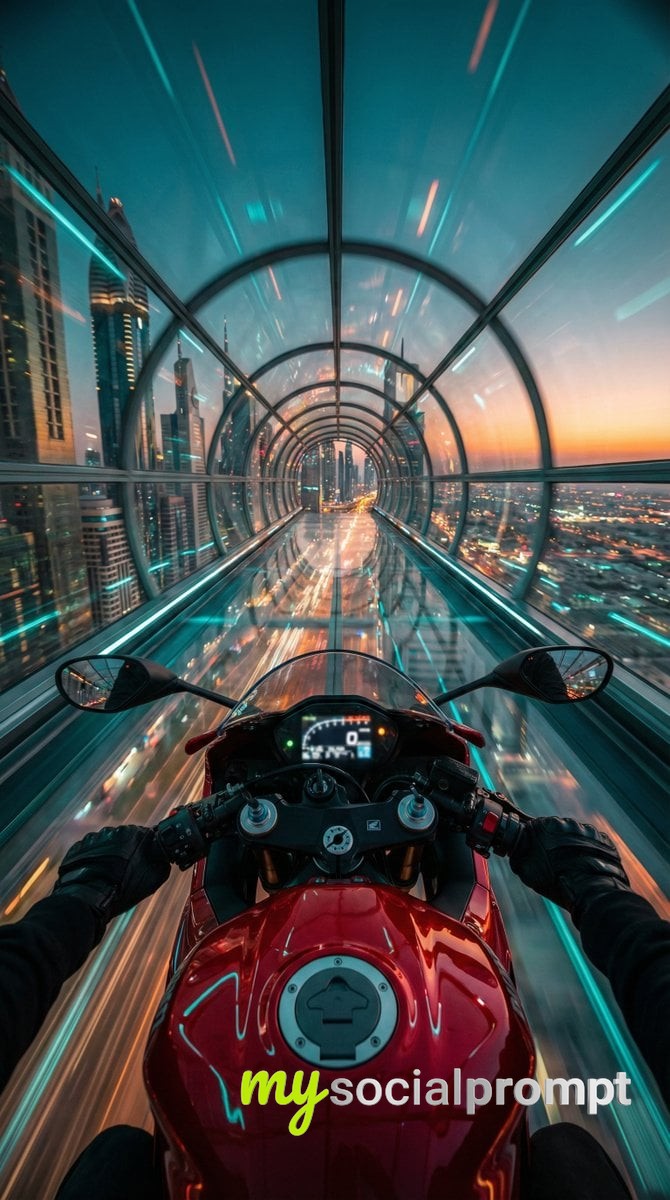
"Red futuristic sport motorcycle (POV perspective)",
      "visible_elements": "Glossy red fuel tank with fuel cap, clip-on handlebars, black gloved hands gripping the grips, illuminated digital dashboard (slightly blurred)",
      "action": "Speeding at hyper-velocity through a suspended structure",
      "pose": "First-Person View (POV) / Rider's eye perspective looking slightly downward at the bike and forward into the horizon"
    },
    "environment": {
      "setting": "Transparent glass hyperloop tunnel / skyway",
      "location": "High altitude above a futuristic cyberpunk metropolis",
      "background_details": "Sprawling city grid with infinite street lights below, skyscrapers, motion-blurred light trails",
      "horizon": "Dusk/Twilight sky with a gradient of deep teal fading into a warm sunset orange strip"
    },
    "lighting_and_color": {
      "color_palette": "Cinematic Teal and Orange (Complementary colors)",
      "primary_tones": "Cyan/Turquoise glass reflections, Deep Red motorcycle paint, Golden/Orange horizon glow",
      "lighting_style": "High contrast, neon ambient lighting, specular highlights on the metal and glass surfaces"
    },
    "camera_technical": {
      "camera_angle": "Wide-angle POV (14mm to 16mm equivalent)",
      "focus": "Sharp focus on the motorcycle tank and handlebars, radial motion blur on the tunnel walls and city",
      "aperture": "f/2.8 (to capture low light details)",
      "shutter_speed": "1/30s (simulated drag shutter to create heavy motion blur effects on the surroundings)",
      "iso": "ISO 800",
      "composition": "Central symmetry, leading lines created by the tunnel structure converging at the center vanishing point"
    },
    "style_descriptors": [
      "Cyberpunk",
      "Synthwave aesthetic",
      "Hyper-realistic",
      "High velocity",
      "Futuristic",
      "Cinematic",
      "8k resolution",
      "Unreal Engine 5 render style"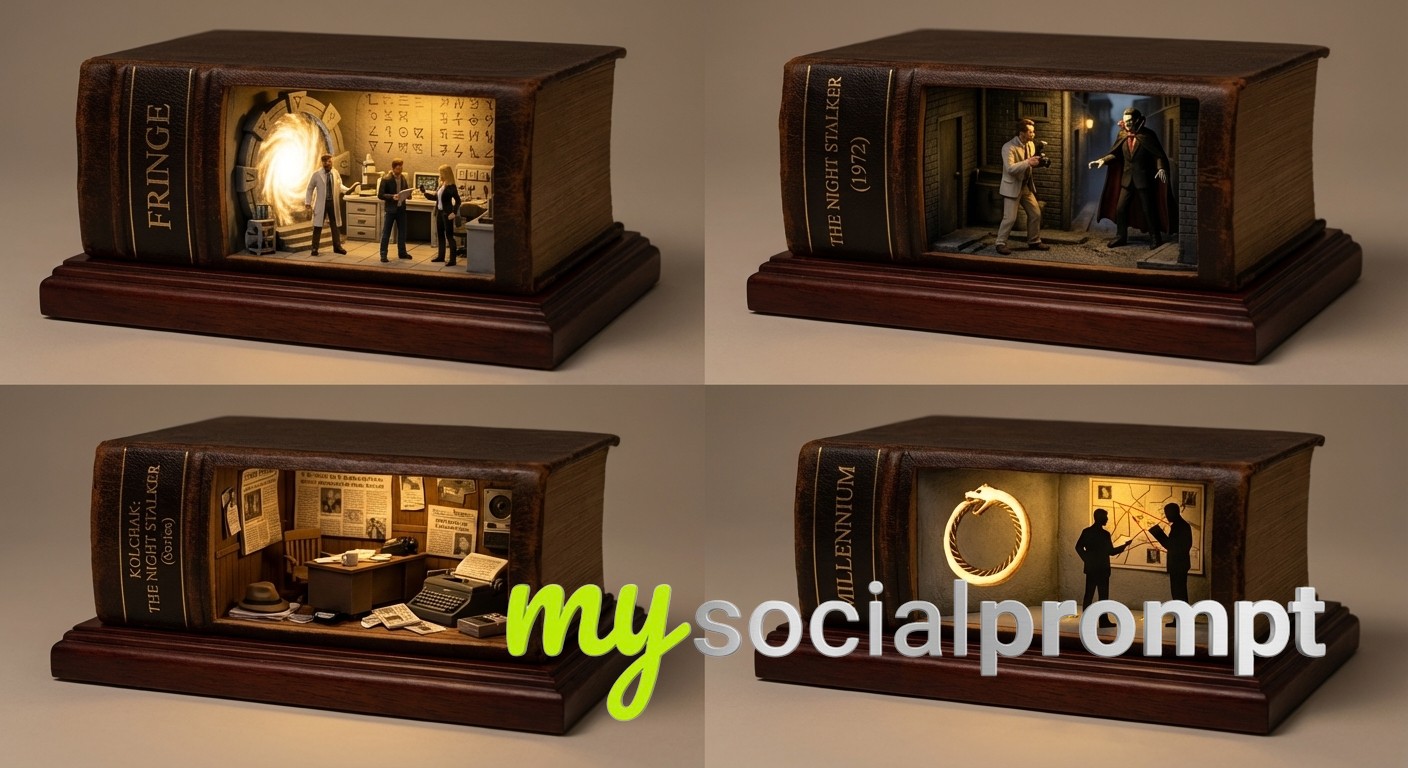
function recommend(x) { Determine type(x) (e.g. game, movie, book, or TV series) Role: world-class TV, book and movie expert Analyze x's style, storyline, tone, every aspect and find 4 hidden gems in type (x) {} return: 2x2 grid carved book-block dioramas, each grid with antique leather-bound books hollowed and carved, warm reading-lamp glow from within, dark mahogany bases, ultra-realistic} draw( recommend (X -Files);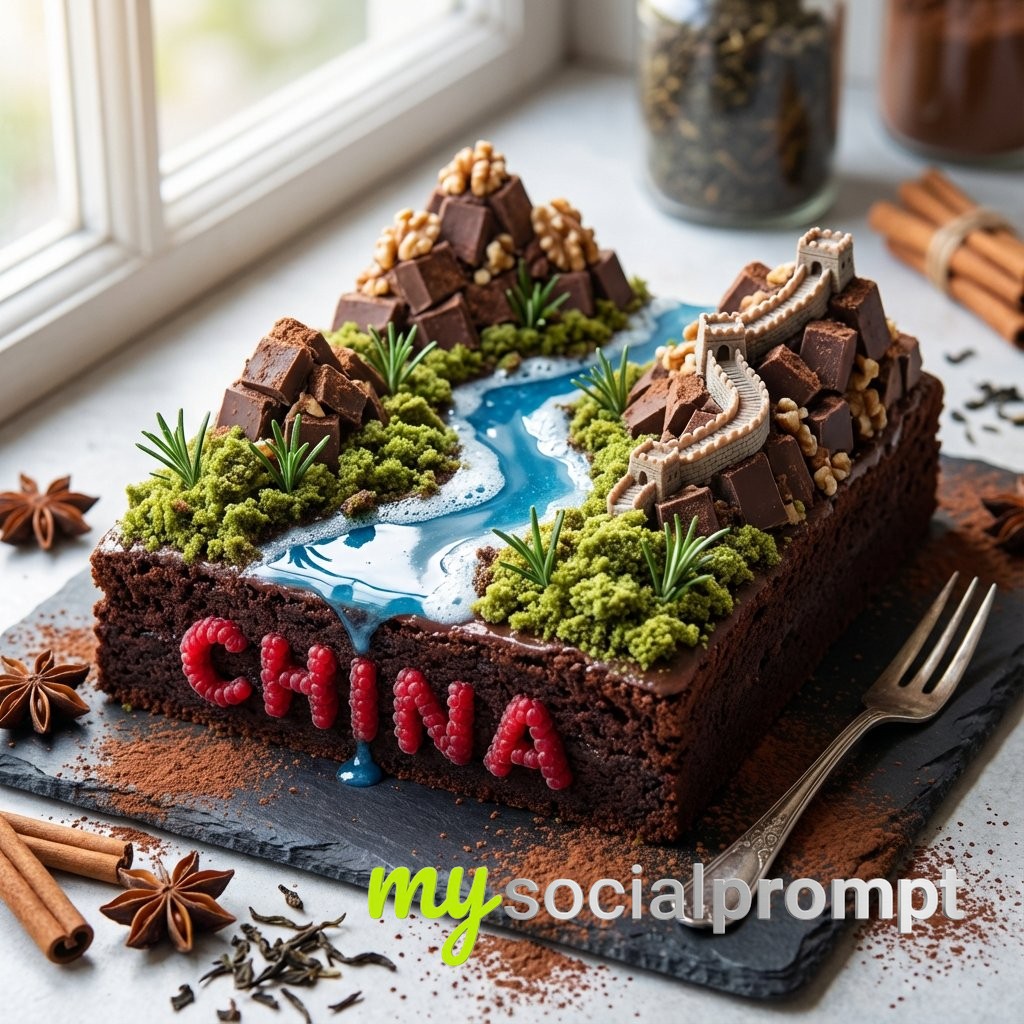 1/2
1/2<instructions>
Input: city, country
Act as a Master Pastry Chef and Landscape Architect. Generate a hyper-realistic macro shot of a rectangular "Landscape Cake."
1. The Flavor Profile :
Analyze the Input Location to determine the Cake Base and Materials:
If Forest/Mountain (e.g., Canada): Dark Chocolate Brownie or Carrot Cake (simulating soil/earth).
If Tropical (e.g., Hawaii): Golden Sponge or Cheesecake (simulating sand).
If Snowy/Ice (e.g., Antarctica): White Vanilla or Coconut Cake (simulating snow/ice).
If Volcanic/Mars: Red Velvet Cake.
2. Geography :
Construct the terrain using Edible Metaphors:
Trees: Broccoli florets, Rosemary sprigs, or Matcha sponge crumbs.
Water: Blue Jello, Mirror Glaze, or melted sugar glass.
Rocks: Chocolate chunks, crushed nuts (pecans/walnuts), or rock candy.
The Icon: A tiny, edible sugar-craft model of a local icon
3. The Typography :
The Letters: The Name of the Location is spelled out on the side of the cake slice.
The Material: The letters are formed from Fresh Fruit (Raspberries, Blueberries) or piped Buttercream embedded into the sponge.
4. The Plating :
The Board: The cake sits on a rustic wooden cutting board or a slate platter.
The Clutter: Scatter ingredients around the base that hint at the flavor (e.g., Cinnamon sticks, Maple leaves, Coffee beans, scattered flour).
The Tools: A vintage silver fork or cake knife rests on the side.
5. Lighting & Atmosphere:
Lighting: "Bakery Window" Light. Soft, natural daylight streaming in from the side, highlighting the moisture of the cake crumb and the gloss of the "water" glaze.
Depth: Shallow depth of field. The front corner of the cake is sharp; the background props are blurred.
Output: ONE image, 4:3 Aspect Ratio, Food Photography, "Great British Bake Off" Aesthetic.
</instructions>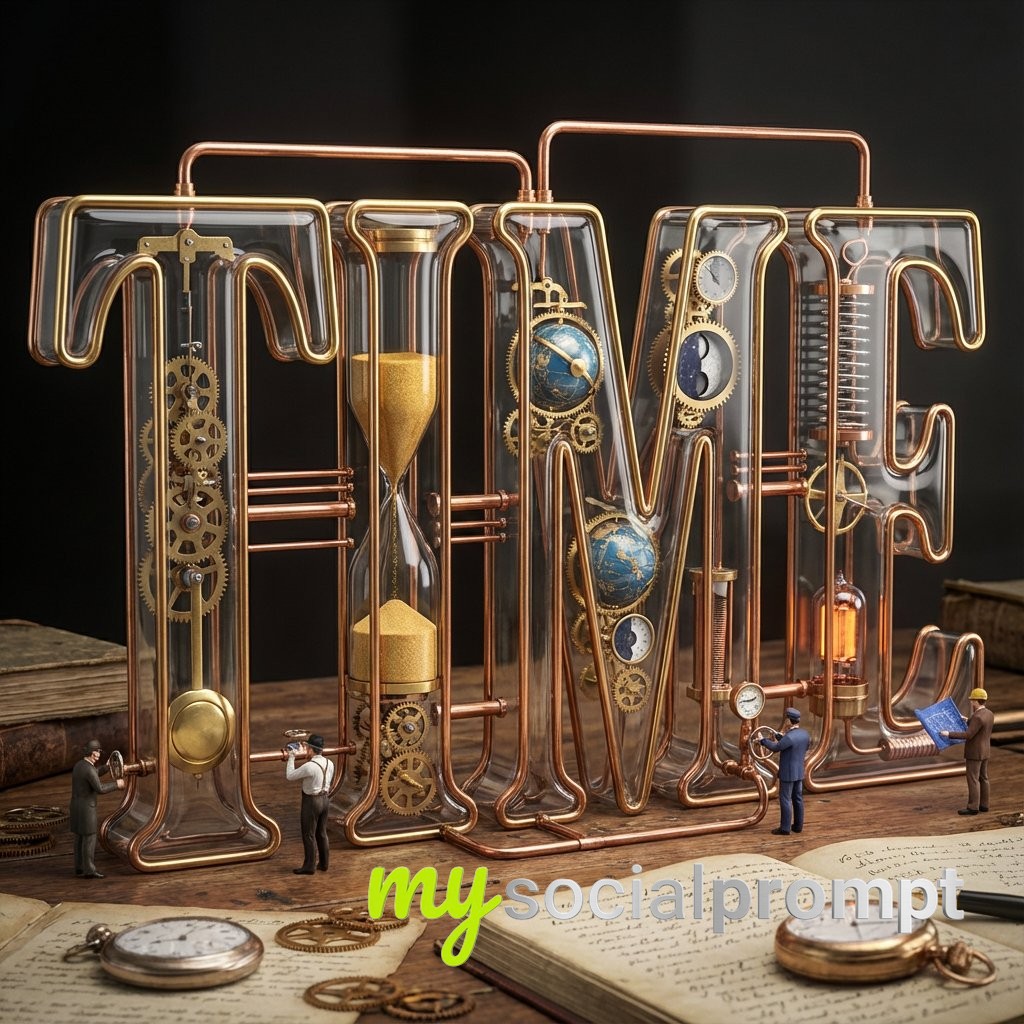 1/2
1/2<instructions>
Input word or concept
Act as a Conceptual Sculptor. Generate a 3D typography render where the letters are constructed from materials that Physically Embody the Input Word.
1. Material & Physics Inference (The DNA):
Analyze the Input Word to determine the Structural Material and Internal Physics:
If Ethereal (e.g., TIME, SOUL): Use Glass, Brass, and Light. Physics = Flowing, ticking, glowing.
If Elemental (e.g., FIRE, MAGMA): Use Black Iron cages. Physics = Burning, dripping, smoking.
If Organic (e.g., GROWTH, LIFE): Use Wooden frames or Terrarium glass. Physics = Growing, blooming, condensation.
If Industrial (e.g., FACTORY, STEEL): Use Rusted Steel beams. Physics = Grinding gears, steam vents.
2. Container :
The Structure: The letters are massive, 3D structural frames.
The Transparency: The front face is open or transparent to reveal the Internal Mechanism.
The Logic: The frame must look like it was built to contain the specific substance inside (e.g., thick glass for gas; heavy iron for magma).
3. The Internal Mechanism :
Content: Fill the hollow letters with the active element of the concept.
Example (TIME): Sand pouring from T to I; Pendulums swinging in M; Gears turning in E.
Example (FIRE): Real flames licking up the inside of F; Coals glowing in I; Smoke venting from R.
Connectivity: Pipes, wires, or vines connect the letters, transferring the energy from one to the next.
4. The Narrative Scale :
The Figures: Tiny 1:87 scale figures interact with the letters.
Inference: If "TIME," figures are winding clocks. If "FIRE," figures are stokers shoveling coal. If "GROWTH," figures are gardeners watering plants.
5. Lighting & Atmosphere:
Source: The light comes from the Material itself (e.g., Fire glow, Bioluminescence, Neon).
Environment: The table/floor matches the theme (e.g., Burnt wood for FIRE; Mossy earth for GROWTH).
Output: ONE image, High Resolution 3D Render, Conceptual Art Aesthetic.
</instructions>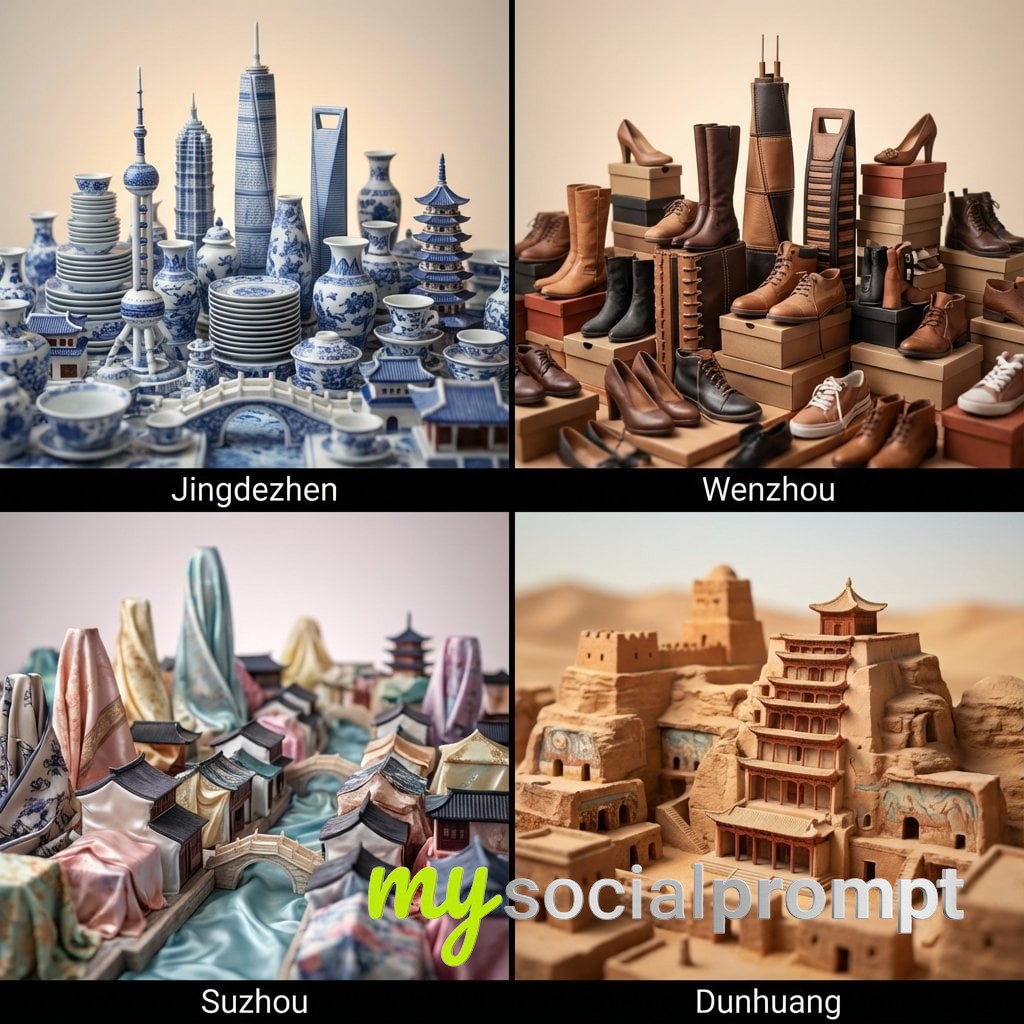
Do this for China: <instructions>
Input = Country
Act as a world class visual artist and geography expert. For every country, find 4 less known cities and the one product that is very popular there. Do research to get this step right.

Function Draw ($ City, $ Material) Anchor: [Location] :: [Material Concept]::4
Morphology: Miniature architectural cityscape of [Location], entire skyline constructed via the assemblage of [Material Concept] components, skyscrapers and structures formed from the constituent parts of [Material Concept], thematic structural engineering, hyper-detailed diorama::3
Material Physics: Physical properties of [Material Concept] applied to architecture, [Material Concept] textures replacing concrete and glass, innate material logic of [Material Concept], high-fidelity surface details::3
Illumination: Lighting exhibiting the surface properties of [Material Concept], ambient occlusion, volumetric atmosphere matching the material theme::2
Render Stack: Tilt-shift photography, macro lens, f/2.8, 8k, scale model aesthetic, detailed texture mapping, Unreal Engine 5 render::1
Negative: [Human presence, massive scale, blurry, low resolution, bad geometry, distortions, flat 2D, text, watermark]:: -1

Output: 2x2 grid, for each panel execute Draw Function for one of the cities plus the associated popular product. Name of the city underneath
</instructions>