Weekly AI Digest
Master the AI Revolution
Exclusive prompts, model comparisons & creative techniques — curated weekly for creators and professionals who stay ahead.
No spam. Unsubscribe anytime.
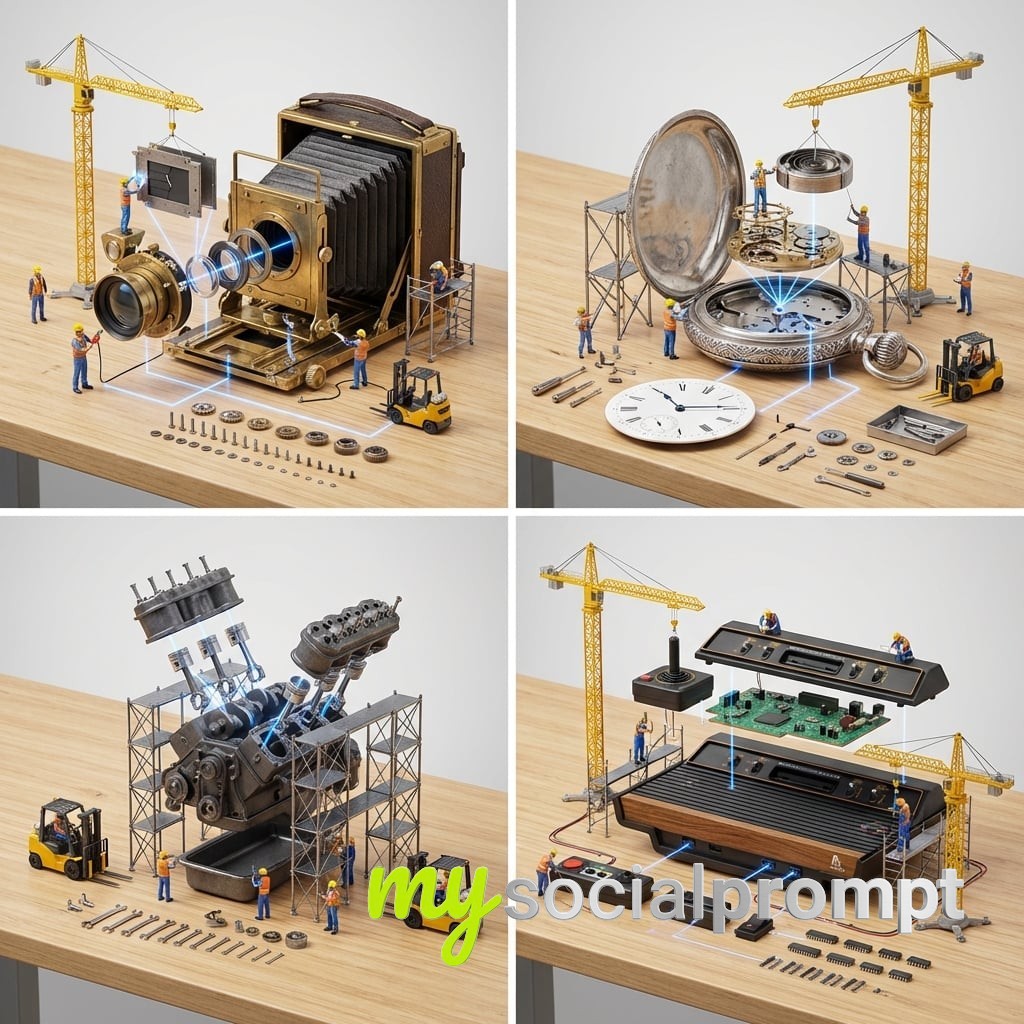
<instruction> Input A is a Mechanical Device or Gadget (e.g., Vintage Camera, Mechanical Watch, V8 Engine, Game Console).Deconstruct the object into 3 Functional Layers : Chassis (The Shell): Identify the main body frame or housing. Engine (The Guts): Identify the primary internal mechanism. (e.g., Camera -> Shutter & Mirrors. Watch -> Mainspring & Escapement. Engine -> Pistons). Interface (The Control): Identify the buttons, dials, or lens elements. 2. Container Goal: "Exploded Construction" Tabletop Photography. Surface: A clean, light-grain Wooden Workbench or cutting mat. Layout: Exploded View (Knolling). The machine is pulled apart into its components, which are arranged spatially to show how they fit together. 3. Construction The Suspension: Major parts (The Chassis) are raised on Miniature Scaffolding or suspended by Miniature Yellow Cranes . The Narrative: A crew of 1:87 Scale Construction Workers (Hard hats, vests) are actively building the machine. Action: They are welding gears, hoisting the lens, or consulting blueprints on the table. Vehicles: Tiny forklifts or flatbed trucks are delivering screws and springs. 4. Visual The Guide Lines: Thin, glowing Blue Laser Lines or holographic wires connect the separated parts, tracing the path of assembly from the table to the suspended parts. The Hardware: Tiny screws, washers, and springs are lined up neatly in rows (Knolling style) on the table, waiting to be installed. 5. Lighting & Atmosphere: Lighting: Bright Studio Light. Even, shadowless illumination (High Key) to ensure every mechanical detail is visible. Texture: Contrast between the matte grey/black of the machine parts and the bright yellow of the construction equipment. Output: ONE image, 1:1 Aspect Ratio, Macro Photography, "Miniature World" aesthetic, Technical Precision.</instruction>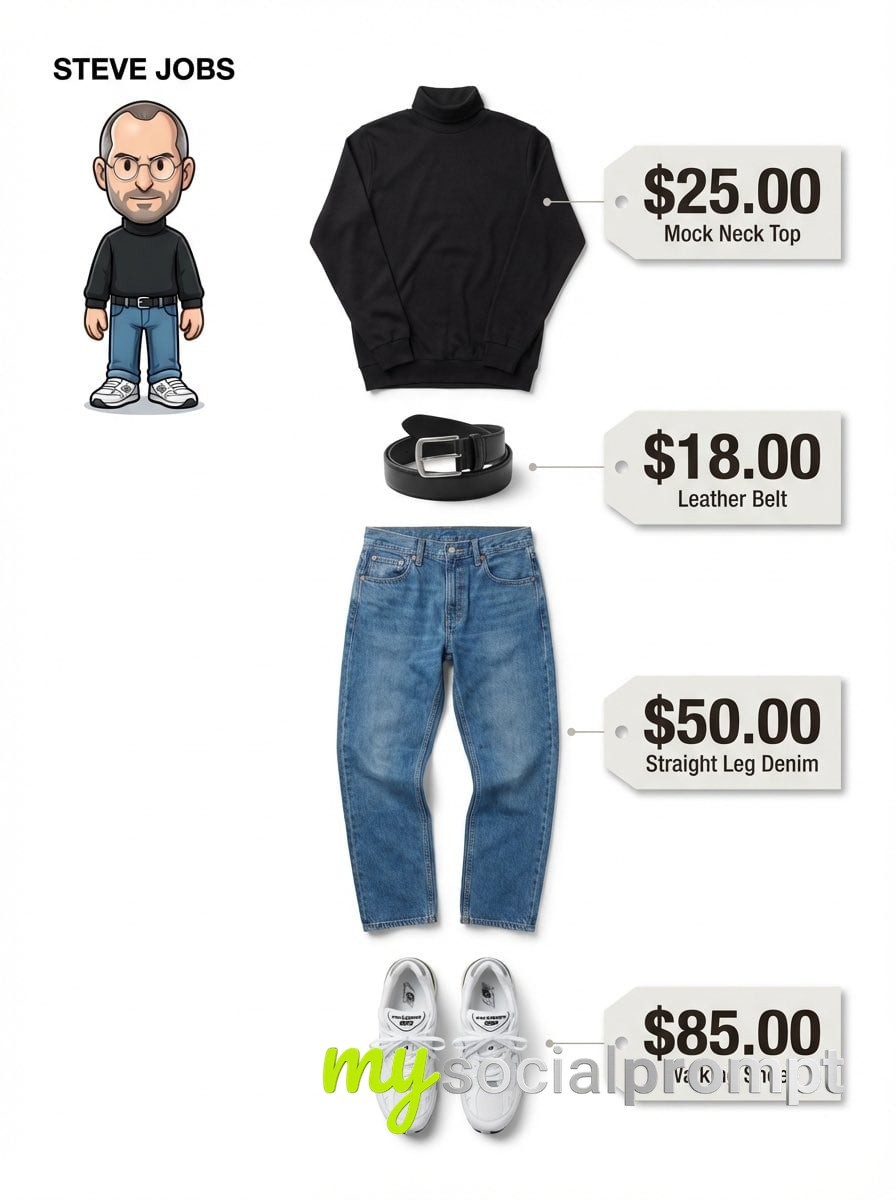
Create a clean, minimalist fashion infographic from an uploaded reference photo of a person.Extract the outfit worn by the person and present only the clothing and accessories, with no body, no mannequin, and no inflated or air-filled shapes.Each clothing item should appear naturally relaxed, as if laid flat on a clean studio surface or gently suspended by gravity, with realistic folds, creases, and fabric drape (hoodies slightly collapsed, jackets softly folded, pants relaxed, shoes resting naturally).Arrange the outfit pieces in a top-to-bottom vertical order (headwear → outerwear → top → bottoms → footwear → accessories), spaced clearly in a calm exploded-view layout.Character IllustrationIn the top-left corner, include a small stylized cartoon / anime-inspired figure of the person from the uploaded reference image:•Wearing the same outfit shown in the breakdown•Standing straight like a collectible action figure•Slightly puffy proportions (soft premium vinyl-toy feel)•Clean shading, minimal facial detailAbove the character, display the person’s name:•Clearly readable size•Black, clean modern sans-serif typography•No background boxItem Labels & Price TagsFor each clothing item, include:•A thin, clean connector line pointing to the item•A large, highly readable retail-style price tagEach price tag must:•Display the price as the primary visual element (large, bold, instantly readable)•Include the item name in smaller secondary text•Be visually attached to the connector linePrice tag design:•Rectangular or rounded retail tag style•Light neutral background (off-white or light gray)•Dark high-contrast text•Subtle shadow for depth•Price text significantly larger than all other tag textDo not include brand names.Visual Style•Pure white studio background•Soft, even lighting with subtle contact shadows•Editorial fashion-magazine infographic aesthetic•Realistic fabric colors and textures•Clean modern sans-serif typographyComposition•Centered vertical outfit layout•Character illustration anchored in the top-left corner•Strong readability of prices at first glance•Balanced negative space, uncluttered•No props, no decorative elementsOutputUltra-sharp, high-end fashion breakdownSocial-feed optimizedNo watermark.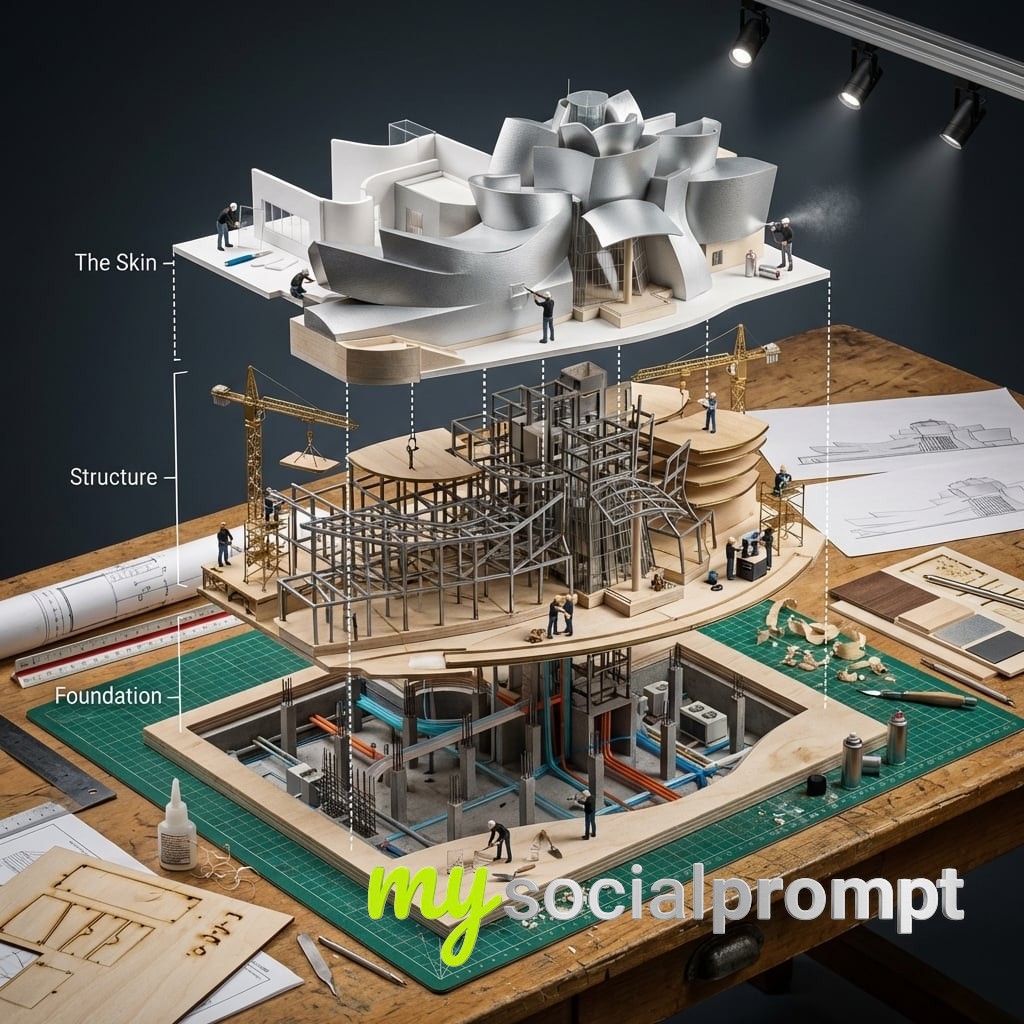
Input Variable: [Any Famous Building - Guggenheim, Burj Khalifa, Sydney Opera House, etc.]System Instruction:Generate a hyper-realistic, isometric 3D "Exploded View" diorama showing the Input Building deconstructed into its structural systems with an architectural model-making crew assembling a scale version.1. Semantic Engineering Analysis:Layer 1 (The Skin): Exterior facade panels, windows, cladding, roofing, entrance canopyLayer 2 (The Structure): Steel framework, floor plates, columns, beams, elevator shafts, stairwells, mechanical systemsLayer 3 (The Foundation): Basement levels, support pillars, utility conduits, HVAC units, individual rivets/bolts, rebar cages2. Container:Surface: Architect's drafting table with cutting mats and T-squaresLayout: Building layers stacked vertically showing ground-up construction sequenceConnections: White architectural section lines showing structural load paths and circulationAdditional Elements: Blueprint sheets, scale rulers, material samples, elevation drawings3. Micro-Narrative:CRITICAL: This is meta - tiny workers building a model that's being built by tiny workers. Recursive scale concept.Workers: 1:87 scale model makers in black turtlenecks (architect stereotype)Equipment: Laser cutters, 3D printers, basswood cutting stations, acrylic gluing rigs, miniature cranes positioning floor platesInteraction: Architects cutting foam core, assembling balsa wood frames, installing tiny windows, spray painting facades, arranging scale furniture4. Visual Syntax & Material Physics:Materials: Basswood grain, clear acrylic sheets, white foam core, brass rod framework, museum board texturesLighting: Architecture studio track lighting creating dramatic model shadowsSpecial Effects: Glue strands, wood shavings, spray paint mist, laser cutter burn marksOutput: Elevated three-quarter view, architectural presentation, 1:1 ratio, 8K, Archdaily model photography aesthetic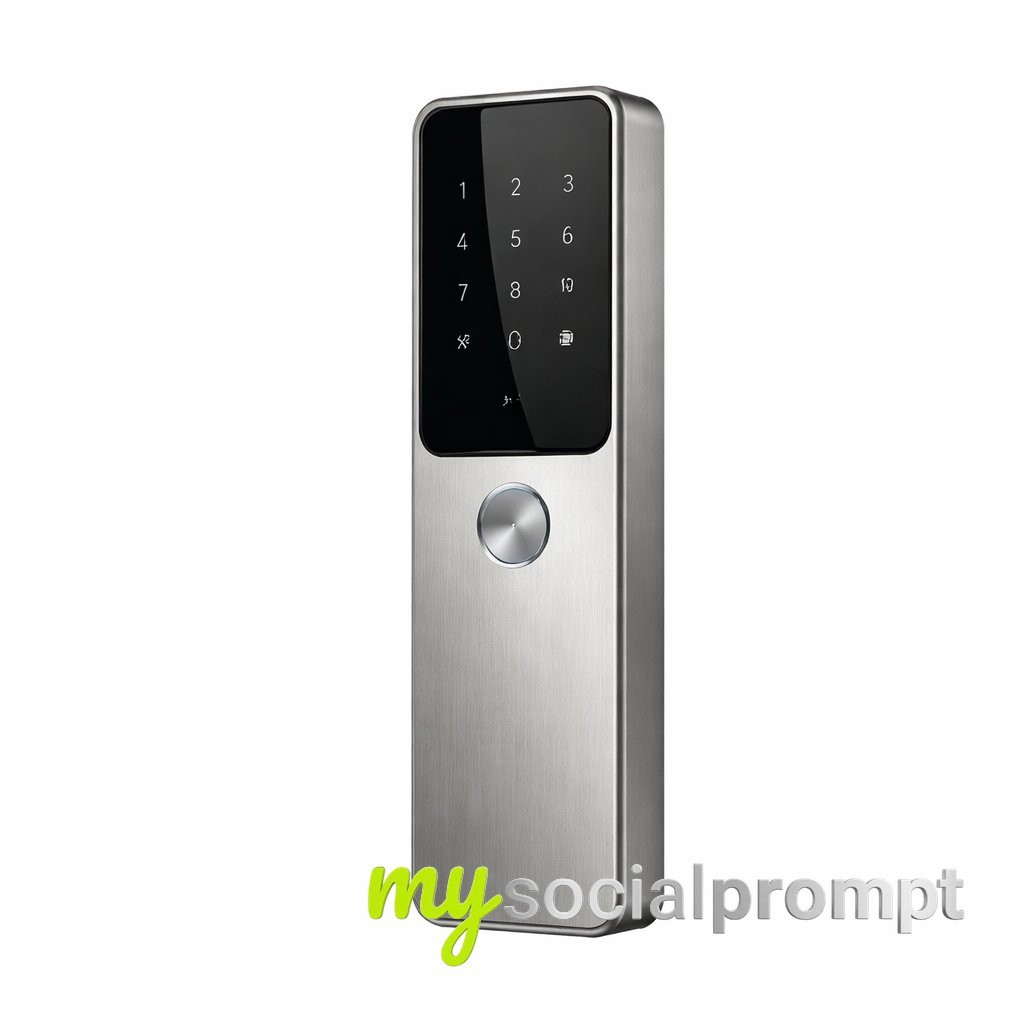
[product], high-end product advertising, white seamless background, exploded view with inner mechanics revealed, outer shell hovering above core, micro screws and components suspended, perfect alignment guides implied, crisp soft shadow, ultra realistic, macro product photography, 100mm lens look, f/8, 8k, 1:1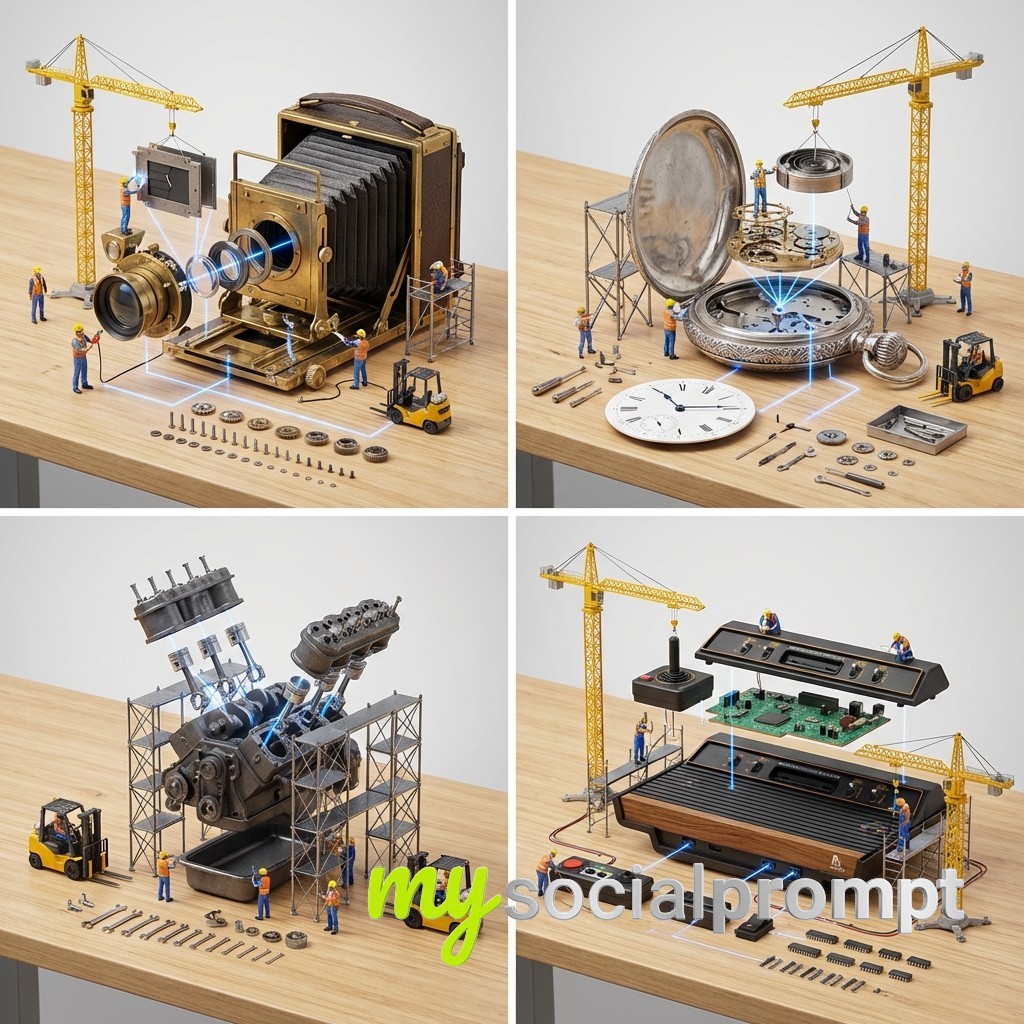
<instruction> Input A is a Mechanical Device or Gadget (e.g., Vintage Camera, Mechanical Watch, V8 Engine, Game Console).Deconstruct the object into 3 Functional Layers : Chassis (The Shell): Identify the main body frame or housing. Engine (The Guts): Identify the primary internal mechanism. (e.g., Camera -> Shutter & Mirrors. Watch -> Mainspring & Escapement. Engine -> Pistons). Interface (The Control): Identify the buttons, dials, or lens elements. 2. Container Goal: "Exploded Construction" Tabletop Photography. Surface: A clean, light-grain Wooden Workbench or cutting mat. Layout: Exploded View (Knolling). The machine is pulled apart into its components, which are arranged spatially to show how they fit together. 3. Construction The Suspension: Major parts (The Chassis) are raised on Miniature Scaffolding or suspended by Miniature Yellow Cranes . The Narrative: A crew of 1:87 Scale Construction Workers (Hard hats, vests) are actively building the machine. Action: They are welding gears, hoisting the lens, or consulting blueprints on the table. Vehicles: Tiny forklifts or flatbed trucks are delivering screws and springs. 4. Visual The Guide Lines: Thin, glowing Blue Laser Lines or holographic wires connect the separated parts, tracing the path of assembly from the table to the suspended parts. The Hardware: Tiny screws, washers, and springs are lined up neatly in rows (Knolling style) on the table, waiting to be installed. 5. Lighting & Atmosphere: Lighting: Bright Studio Light. Even, shadowless illumination (High Key) to ensure every mechanical detail is visible. Texture: Contrast between the matte grey/black of the machine parts and the bright yellow of the construction equipment. Output: ONE image, 1:1 Aspect Ratio, Macro Photography, "Miniature World" aesthetic, Technical Precision.</instruction>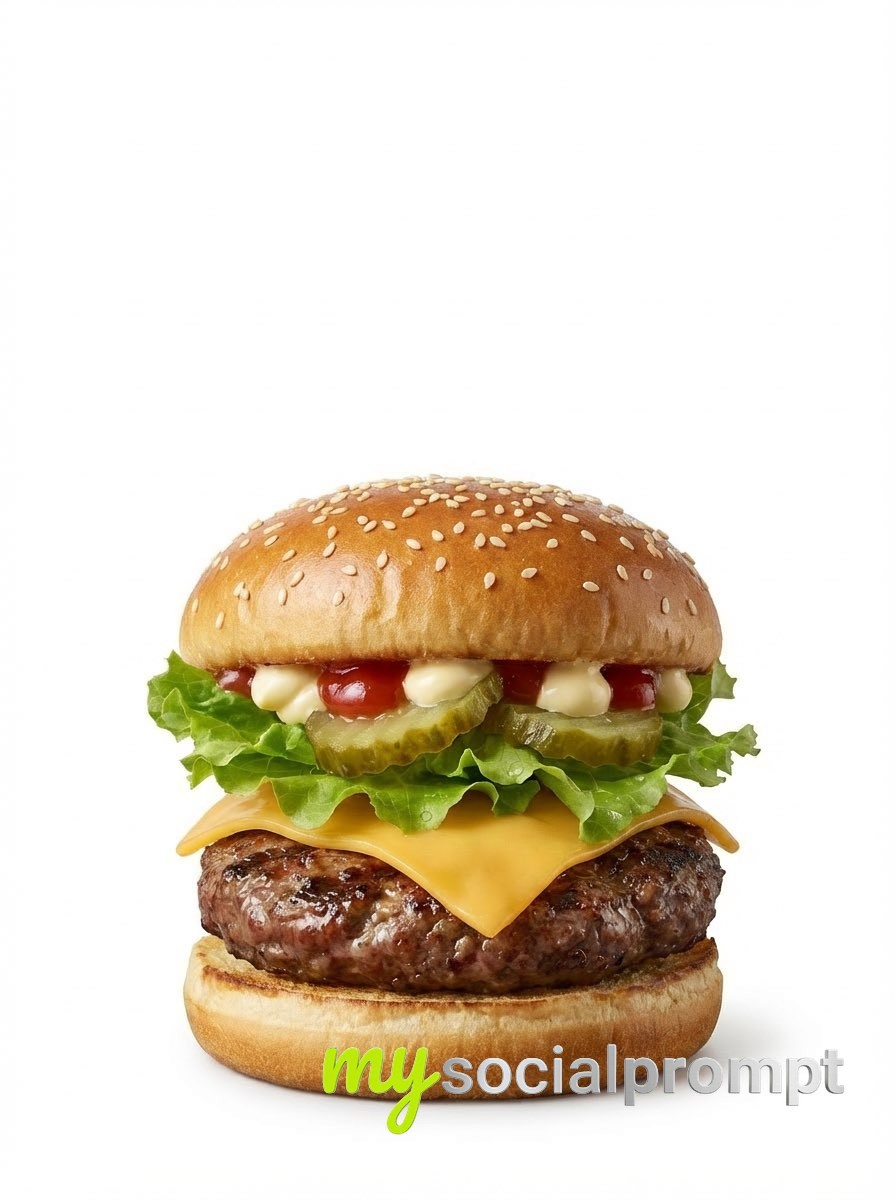
Timeline:•0-3 seconds: Smooth transformation from assembled burger to exploded view•3-5 seconds: Hold on final exploded stateTransition Details:Start with the complete burger in its normal assembled state. Over 3 seconds, smoothly separate each layer outward vertically in an ad-style motion. Each component (top bun, toppings, lettuce, cheese, patty, bottom bun) floats away from center at slightly different speeds, creating a cascading effect.Add gentle rotation (5-10 degrees) to each layer as they separate. Sesame seeds drift upward naturally. Subtle lighting enhances the 3D depth.By the 3-second mark, all layers are in their final exploded positions with labels visible. Hold still for 2 seconds to display the labeled infographic.Keep the tone premium and appetizing.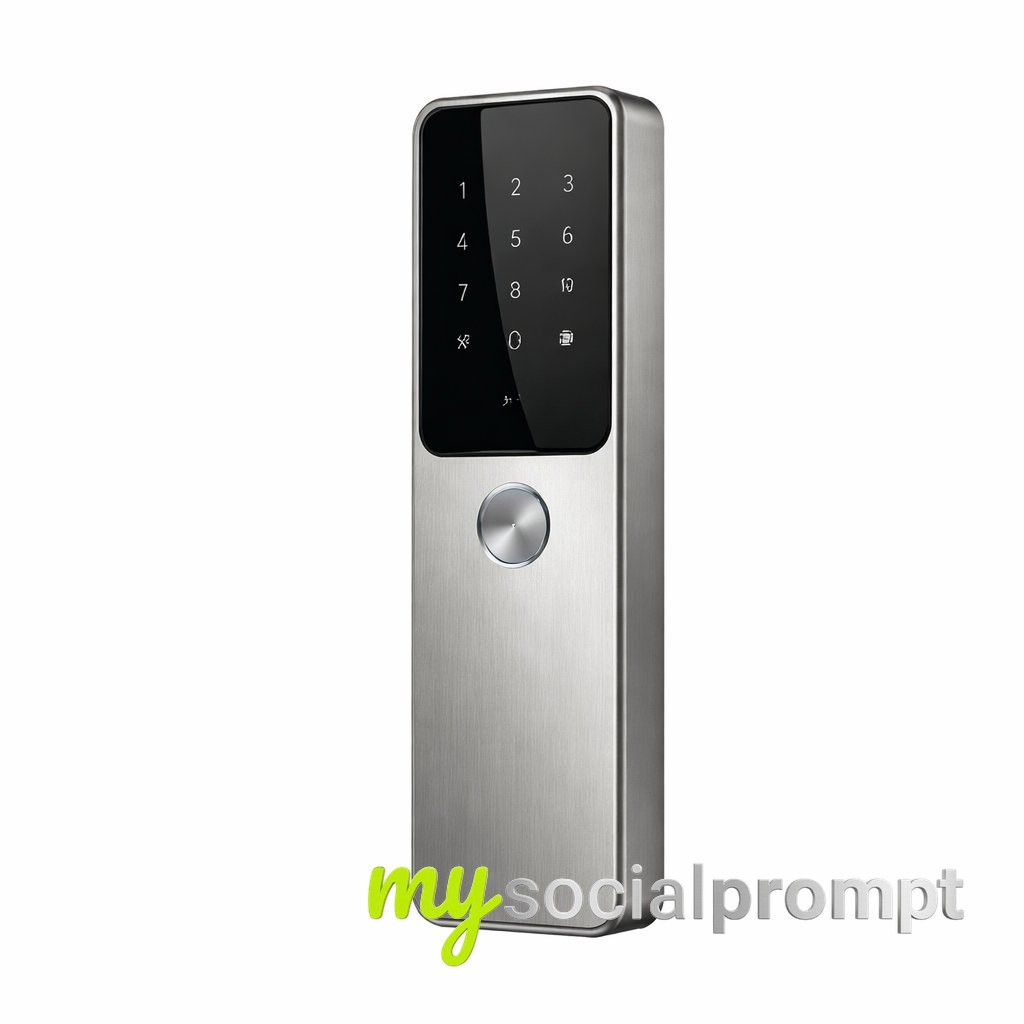
[product], high-end product advertising, white seamless background, exploded view with inner mechanics revealed, outer shell hovering above core, micro screws and components suspended, perfect alignment guides implied, crisp soft shadow, ultra realistic, macro product photography, 100mm lens look, f/8, 8k, 1:1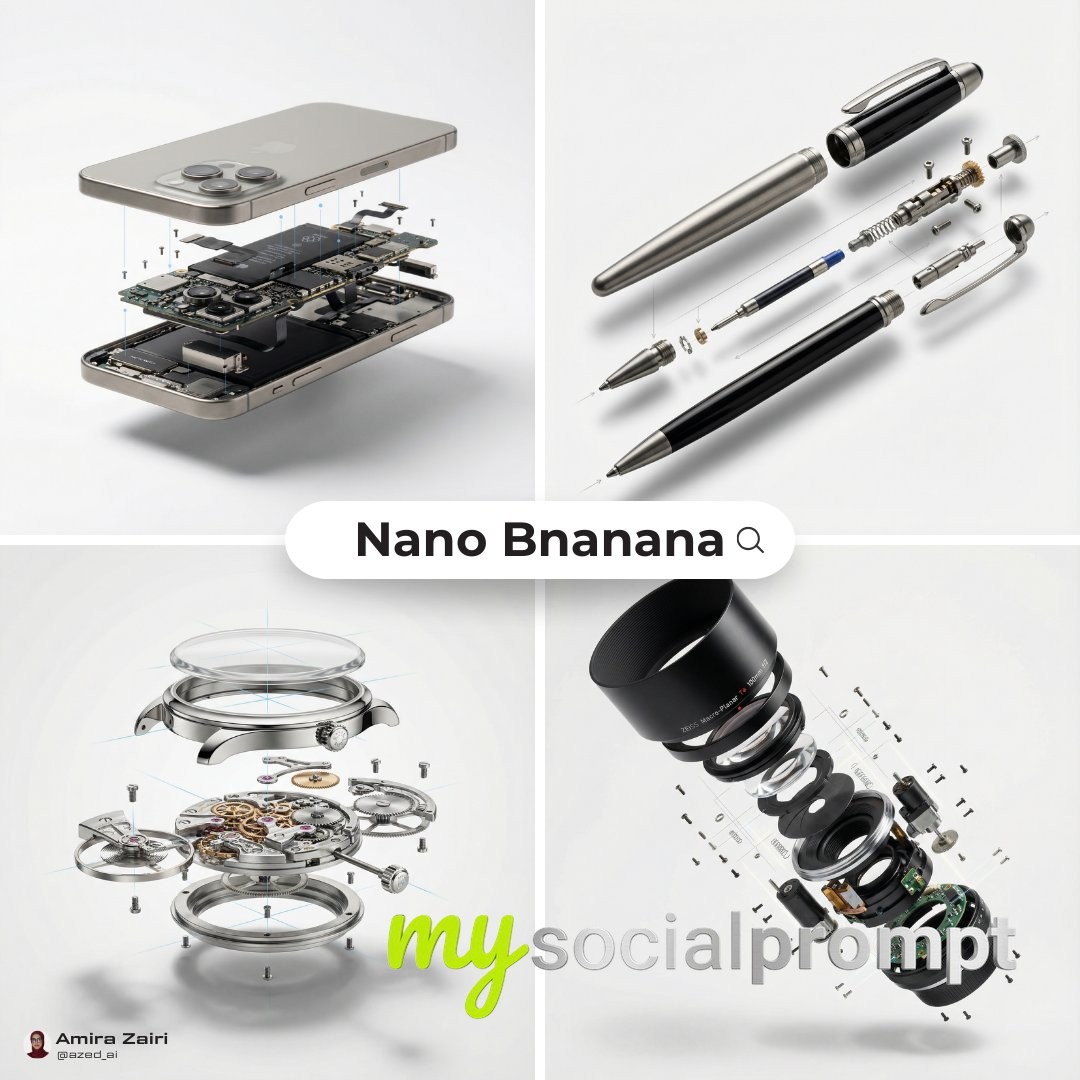
Create an exploded products with inner mechanics [product], high-end product advertising, white seamless background, exploded view with inner mechanics revealed, outer shell hovering above core, micro screws and components suspended, perfect alignment guides implied, crisp soft shadow, ultra realistic, macro product photography, 100mm lens look, f/8, 8k, 1:1
You've reached the end of the feed